
 Engin Kurutepe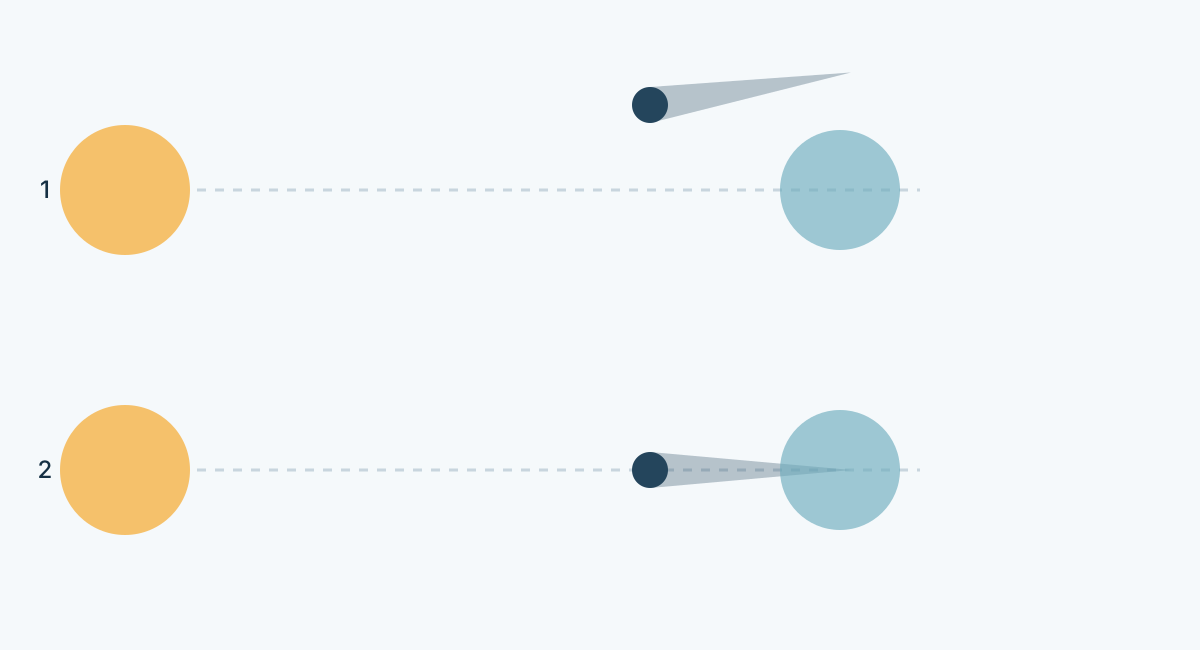
日食は、月が地球と太陽の間を通過する新月のときにのみ起こります。新月は約 29.5 日に 1 回発生するため、「なぜ日食が毎月起こらないのですか?」と疑問に思うのは自然なことです。
答えは、月の軌道が傾いているからです。ほとんどの月、月は私たちの空で太陽の少し上または下を通過するため、その影は地球を見逃します。
月の軌道は傾いています
地球は黄道と呼ばれる平面上で太陽の周りを周回しています。地球の周りの月の軌道は、その面に対して約 5 度傾いています。
5 度というと小さいように思えますが、アライメントをミスするには十分です。新月のとき、月は地球と太陽の間にありますが、その影が地球に落ちるにはまだ北か南に遠すぎることがあります。私たちの視点から見ると、月は空で太陽の近くを通過しますが、太陽の真横を通過するわけではありません。
これが、月食が満月のたびに起こるわけではない理由でもあります。ジオメトリは、平面的なカレンダー上だけでなく、三次元的に整列する必要があります。
ノードは交差点です
月の傾いた軌道は、ノードと呼ばれる 2 つの点で地球の軌道面と交差します。日食は、これらのノードのいずれかの近くで新月が発生した場合にのみ発生します。
新月の節の近くに月がある場合、太陽、月、地球は月の影が地球に届くほど近くに並ぶことができます。月がノードから遠く離れている場合、影は見逃します。
これにより、日食の予測にリズムが生まれます。天文学者は新月を探すだけではありません。彼らは、月の軌道が黄道を横切る場所の近くで新月を探します。
日食の季節
日食の季節 とは、日食が発生できるほど太陽が月のノードの 1 つに十分に近づいて見える期間です。日食の季節はおよそ半年ごとに起こります。
日食の季節には、新月のときに日食が起こることがあります。地球の反対側で幾何学形状が一致する場合、月食は満月近くにも発生する可能性があります。日食と月食が約 2 週間離れて、日食がペアで起こることがあるのはこのためです。
日食の季節以外でも、月はまだ新しい満ち欠けを経ていますが、影は見えません。
皆既日食がさらに稀である理由
日食が起こったとしても、必ずしも皆既日食になるとは限りません。月の中心の影が地球を見逃し、部分的な日食のみを引き起こす可能性があります。あるいは、月がかなり遠くにあるため、太陽を覆うには小さすぎるように見え、金環日食が発生する可能性があります。
皆既日食には、より正確な位置合わせが必要です。月は新相に近く、節の近くにあり、楕円軌道上で地球に十分近く、本影があなたの位置に届くような位置にある必要があります。
だからこそ、地球上のどの場所でも皆既状態になることは稀なのです。日食は定期的にどこかで起こりますが、皆既の道は狭く、毎回異なる地域を移動します。
パターンは予測可能です
形状は複雑ですが、ランダムではありません。月の満ち欠け、軌道、節の位置は長い周期で繰り返されるため、日食はかなり前から予測できます。サロス周期は有名な例の 1 つです。約 18 年と 11 日後に、同様の日食幾何学模様が繰り返されます。
現代の日食予測では詳細な軌道モデルが使用されていますが、基本的な理由は同じです。月食は月の位相とその傾いた軌道の交差が一直線に並ぶときに起こります。
ソースと関連ガイド
- NASA は、毎月日食が起こらない理由 に月の傾いた軌道で答えます。
- NASA は、地球、月、太陽の配列 に関する説明の中で、月の軌道が約 5 度傾いていると指摘しています。
- 次に、サロスサイクル、日食予測の仕組み、皆既の道について読んでください。
SolarWatch で確認してください
SolarWatch を使用して、2000 年から 2200 年までの日食カタログを参照します。マップと影のシミュレーションにより、多くの新月が日食を発生させないのに、少数の新月が月の影を地球全体に送信できるほど正確に並んでいる理由が明らかになります。
Keep reading
All guides
4 min read
日食とは何ですか?
日食に関するわかりやすいガイド: 月が太陽をどのように覆うか、皆既がまれである理由、皆既の経路から何が見えるか。
5 min read
サロス周期: 日食は 18 年ごとにどのように繰り返されるのか
サロス周期は、関連する日食を結び付けるおよそ 18 年のリズムです。なぜ日食が繰り返されるのか、そしてそれぞれの日食が依然としてどこか新しい場所に着陸する理由を学びましょう。
5 min read
日食予測の仕組み
軌道モデル、ベッセル要素、月の地形、現地の状況を使用して日食を予測する方法についての明確なガイド。
5 min read
完全性への道の説明
全体性のパスとは何か、なぜ細いリボンなのか、どのくらいの速度で移動するのか、そしてなぜローカル計画が重要なのか。