
 Engin Kurutepe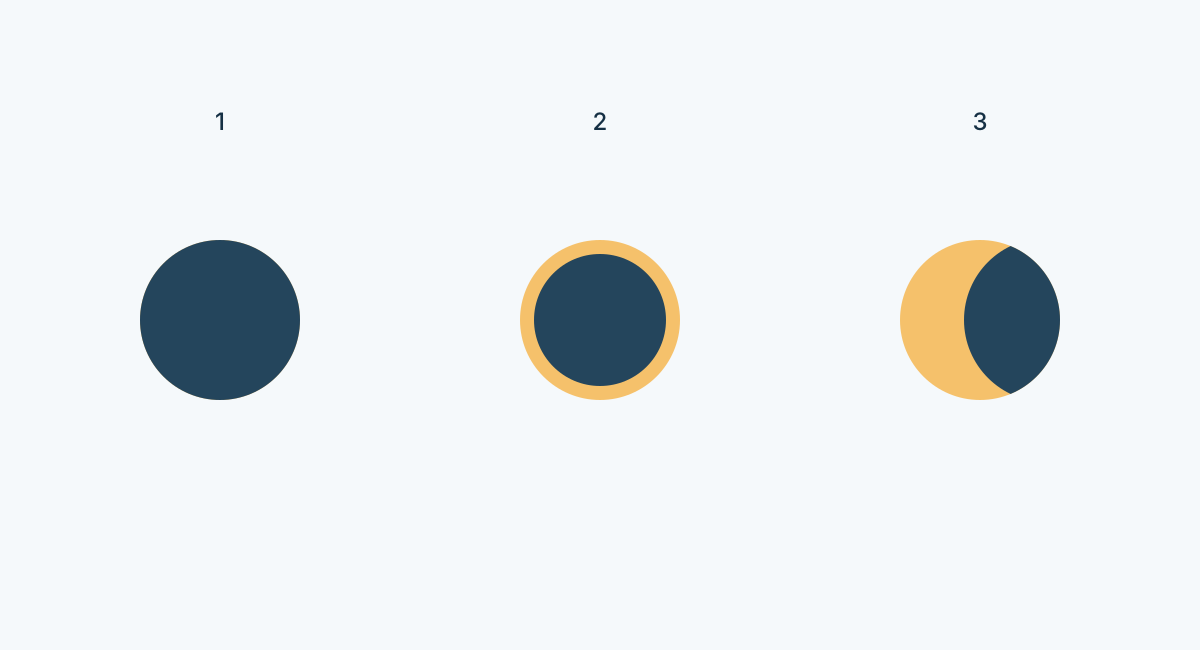
일식에는 개기일식, 환상일식, 부분일식, 혼합일식 등 네 가지 유형이 있습니다. 그것들은 모두 동일한 기본 정렬로 시작합니다: 달이 지구와 태양 사이를 통과합니다. 차이점은 달 그림자의 어느 부분이 현재 위치에 도달하느냐입니다.
그 위치 세부 사항이 중요합니다. 일식은 지구상 어디에서나 동일한 경험이 아닙니다. 한 도시에서는 개기일식을 볼 수 있고, 다른 도시에서는 부분일식을 볼 수 있으며, 행성의 대부분은 아무것도 볼 수 없습니다.
##개기일식
개기 일식은 달이 태양의 밝은 얼굴을 완전히 가릴 만큼 크게 보일 때 발생합니다. 달의 가장 어두운 중앙 그림자인 그림자 내부의 관찰자들은 짧은 시간 동안 태양이 사라지는 것을 볼 수 있습니다.
전체성은 태양 코로나가 육안으로 볼 수 있는 유일한 순간입니다. 하늘은 빠르게 어두워지고, 공기는 차가워지며, 밝은 행성이나 별이 나타날 수 있습니다. 이것은 또한 인증된 일식 안경을 제거할 수 있는 유일한 단계이며, 당신이 전체성 내부에 있고 태양이 완전히 가려진 경우에만 가능합니다.
본영이 지구에 도달할 때쯤에는 좁아지기 때문에 개기일식의 길은 좁습니다. 해당 경로 밖으로 나가면 동일한 이벤트가 부분 일식이 됩니다.
금환일식
환형일식은 달이 지구에서 너무 멀어 태양을 완전히 가릴 수 없을 때 발생합니다. 달은 여전히 태양의 중심을 가로지르지만 그 주위에는 밝은 햇빛 고리가 남아 있습니다. 이것이 바로 금환 일식을 종종 "불의 고리" 일식이라고 부르는 이유입니다.
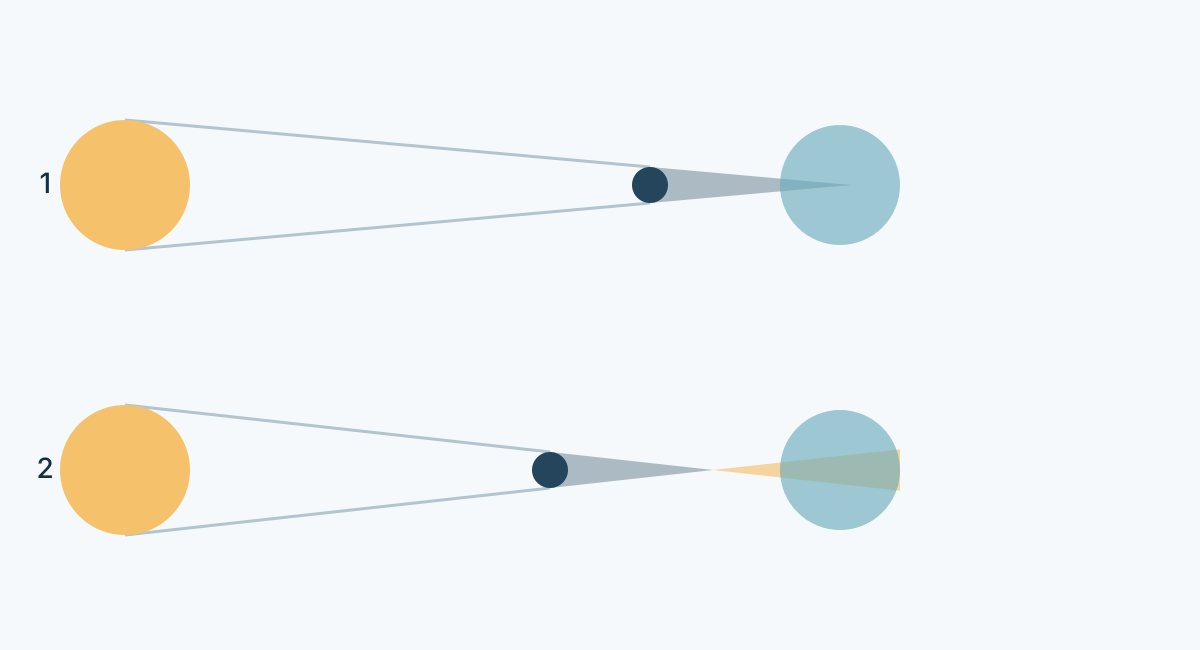
그림자 기하학도 다릅니다. 관찰자는 본영에 서 있는 대신 본영의 끝 너머 영역인 안툼브라 내부에 있습니다. 거기에서 달은 태양보다 약간 작게 보입니다.
금환일식은 적절한 태양 필터 없이는 절대 볼 수 없습니다. 일식의 가장 깊은 부분에서도 태양의 밝은 광구가 여전히 보입니다.
부분일식
부분 일식은 달이 현재 위치에서 태양의 일부만 덮을 때 발생합니다. 이는 달의 더 어두운 중앙 그림자가 지구를 놓치거나 개기일식이나 금환일식의 중심 경로 밖에 있기 때문에 발생할 수 있습니다.
부분일식은 달 그림자의 밝은 바깥쪽 부분인 반그림자에 의해 발생합니다. 효과는 사용자의 위치가 중앙 그림자에 얼마나 가까운지에 따라 태양에 작은 물린 것부터 깊은 초승달까지 다양할 수 있습니다.
부분일식은 개기일식보다 훨씬 더 널리 볼 수 있지만 전체 행사 동안 눈 보호가 필요합니다. 부분 일식 중에는 육안으로 볼 수 있는 안전한 단계가 없습니다.
하이브리드 일식
하이브리드 일식은 경로에 따라 유형이 변경됩니다. 어떤 곳에서는 환상 모양으로 나타나고 다른 곳에서는 전체 모양으로 나타납니다.
이는 지구가 구부러져 있고 달의 그림자가 본영으로 지구 표면에 도달하거나 바로 위에서 끝나는 지점 사이의 전환점에 가깝기 때문에 발생합니다. 경로의 일부는 달에 충분히 가까워서 본그림자 안에 들어갈 수 있지만, 다른 부분은 대신 antumbra를 볼 수 있습니다.
하이브리드 일식은 흔하지 않으므로 일식 관찰자에게 특히 흥미로울 수 있습니다. 이는 또한 Eclipse 유형이 전체 이벤트에 대한 레이블이 아니라는 점을 상기시켜 주는 좋은 신호이기도 합니다. 특정 장소와 시간의 기하학에 따라 다릅니다.
위치에 따라 유형이 변경될 수 있는 이유
금환개기일식은 경로의 어떤 지점에서는 개기, 다른 지점에서는 금환으로 보입니다. 이 분류가 한 관측자가 자동으로 개기에서 금환으로 바뀌는 과정을 본다는 뜻은 아닙니다. 중심 경로 밖에서는 반그림자가 도달하는 곳에서 부분식이 보입니다.
그래서 현지 상황이 중요합니다. 일식 유형, 접촉 시간, 가려짐, 태양 고도 및 기간은 모두 사용자가 서있는 위치에 따라 다릅니다. 불과 몇 킬로미터 떨어져 있는 두 위치는 경로 가장자리 근처에서 눈에 띄게 다른 경험을 할 수 있습니다.
소스 및 관련 가이드
- NASA는 개기일식, 환상일식, 부분일식, 혼합 현상을 포함한 일식 유형을 설명합니다.
- NASA GSFC는 본그림자, 반그림자, 안텀브라 및 중앙 일식 경로를 포함하여 일식 기하학을 설명합니다.
- 기초는 일식이란 무엇입니까?부터 시작하세요. 그런 다음 달이 태양과 같은 크기로 보이는 이유, 달의 타원 궤도 및 개체의 경로에 대해 더 자세히 알아보세요.
SolarWatch에서 확인하세요
SolarWatch에서 일식 카탈로그를 열고 전체, 환상, 부분 및 하이브리드 이벤트를 비교하세요. 일식을 탭하여 경로 지도를 살펴본 다음 위치를 선택하여 정확한 지역 일식 유형과 접촉 시간을 확인하세요.
Keep reading
All guides
4 min read
일식이란 무엇입니까?
일식에 대한 일반 언어 가이드: 달이 태양을 가리는 방법, 개기일식은 왜 드문지, 개기일식의 경로에서 무엇을 볼 수 있는지.
4 min read
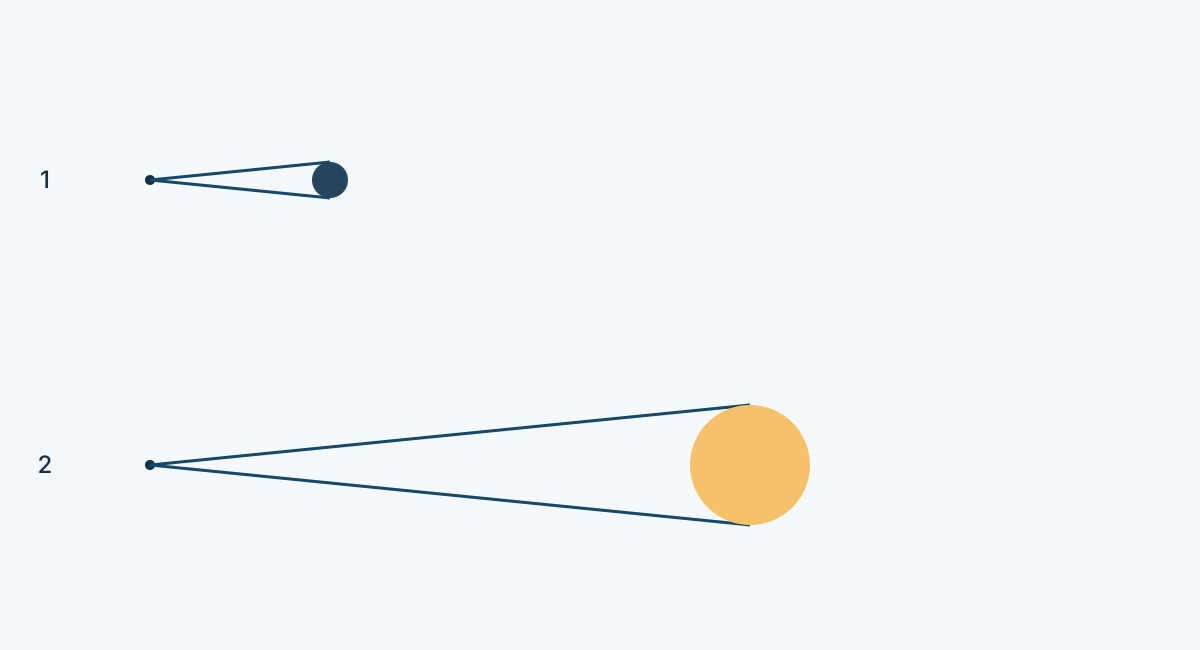
달이 태양과 같은 크기로 보이는 이유
달은 태양보다 훨씬 작지만 훨씬 더 가깝습니다. 개기일식을 가능하게 하는 우주적 우연의 일치에 대해 알아보세요.
4 min read
달의 타원 궤도와 일식 유형
지구로부터 달의 거리는 타원 궤도를 통해 변합니다. 근지점과 원지점이 개기일식인지 환상일식인지 결정하는 데 도움이 되는 이유를 알아보세요.
5 min read
전체성의 길 설명
전체성의 길이 무엇인지, 왜 좁은 리본인지, 얼마나 빨리 움직이는지, 지역계획이 왜 중요한지.