
 Engin Kurutepe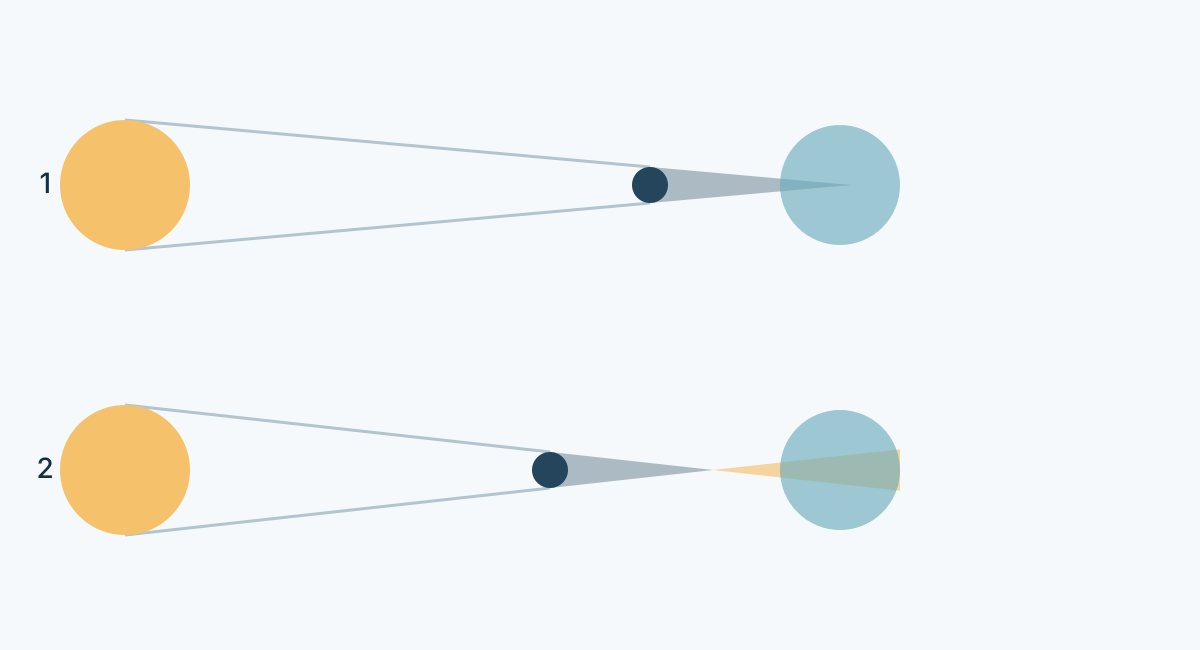
月は地球の周りを完全な円を描いて移動するわけではありません。その軌道は楕円であるため、月は地球に近づくこともあれば、地球から遠ざかることがあります。この距離の変化が、日食が大きく異なって見える理由の 1 つです。
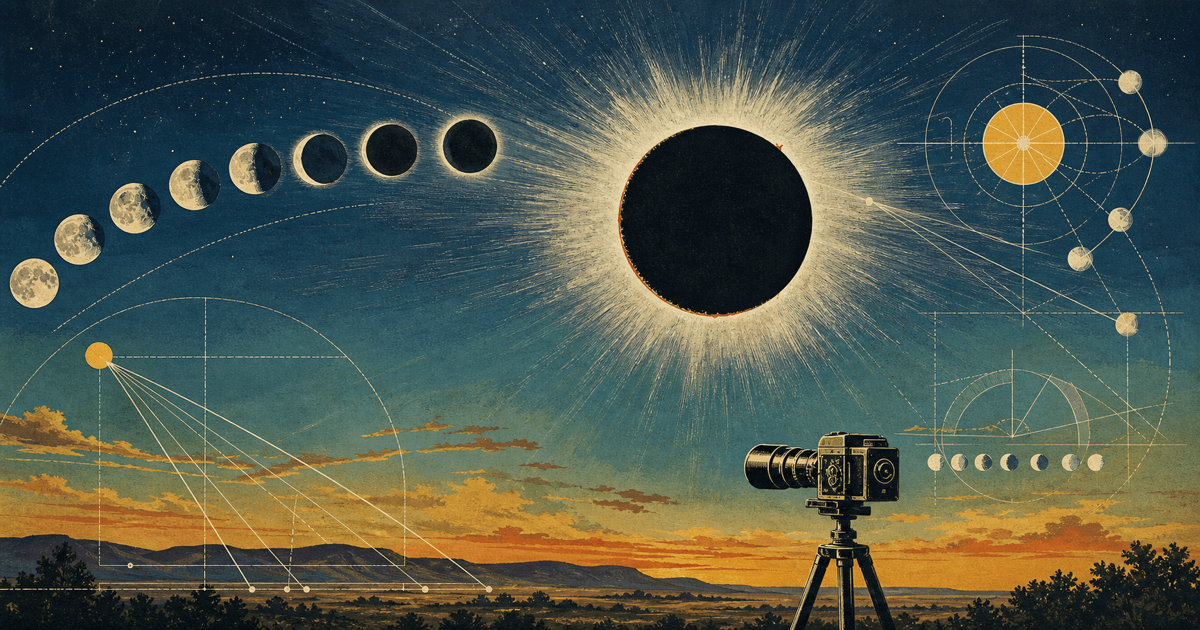
月が十分に近く、配置が正しい場合、月は太陽を完全に覆い、皆既日食を引き起こすことができます。月が遠くにあると、月が少し小さく見え、周囲に太陽光の明るい輪が残ることがあります。それが金環日食を引き起こします。
近地点と遠地点
月が地球に最も近い点は 近地点 と呼ばれます。その最も遠い点は遠地点と呼ばれます。
その差は空では問題になるほど大きいです。近地点付近では、月の見かけの大きさはより大きくなります。遠地点付近では小さくなります。 「スーパームーン」の見出しでこれに気づくかもしれませんが、日食の際にも同じ幾何学形状が重要です。
太陽の周りの地球の軌道はわずかに楕円形であるため、太陽の見かけの大きさも年間を通じて少し変化します。日食の予測では両方の距離が考慮されますが、通常、皆既日食と金環日食の形状のより明らかな理由は、月の距離の変化です。
距離によって日食の種類が変わる理由
日食の間、月は宇宙に影を落とします。最も暗い部分は本影です。本影が地球に到達すると、その内部の観察者は皆既を見ることができます。
月が地球から遠ざかると、本影は地面に到達する前に終わる可能性があります。本影の先端の向こう側に前影があります。アンタンブラ内の観察者には、太陽の中心にある月が見えますが、太陽を覆うほどの大きさではありません。その結果、金環日食、つまり火の輪が発生します。
つまり、金環日食は失敗した皆既日食ではないということです。これは、月の距離と太陽、月、地球の配置によって作成される異なる影の幾何学形状です。
見かけのサイズのテスト
重要な質問は単純です。月は太陽より大きく見えますか、小さく見えますか、それともほぼ同じ大きさに見えますか?
月が大きく見え、太陽の中心を横切る場合、皆既の可能性があります。小さく見える場合は、環状である可能性があります。位置合わせが横にずれている場合、月との距離に関係なく、観察者は部分日食を見ることができます。
これが、日食のタイプが距離と位置の両方に依存する理由です。近くにある月の位置が悪くても、あなたの位置を完全に一致させることはできません。中心が遠くの月と完全に一致すると、代わりに金環日食が発生する可能性があります。
ハイブリッド日食が起こる理由
混成日食は皆既日食と金環日食の境界付近にあります。経路の一部に沿って、地球の湾曲した表面は、本影が月に到達できるほど月に近づいています。別の部分では、本影が不足しており、観察者は環状になっているのが見えます。
月の楕円軌道は、日食をその閾値に近づけるのに役立ちます。地球の曲率によって、経路のどの部分が本影の内側に位置し、どの部分が後影の内側に位置するかが決まります。
幾何学形状のバランスを細かく調整する必要があるため、混成日食はまれです。
地域の状況が依然として重要な理由
全球日食タイプは便利ですが、実際に何が見えるかは場所によって決まります。皆既日食では、非常に広い部分ゾーンに囲まれた狭い皆既経路が発生します。金環日食には、部分的な視界に囲まれた狭い金環状の経路があります。
SolarWatch は、「これはどのタイプの日食ですか?」ということだけが有益な質問ではないため、局所的な状況に焦点を当てています。それは、「私の正確な観察場所では、どのような種類の日食がいつ起こるか?」です。
その局所的なビューには、接触時間、太陽の高度、等級、遮蔽、皆既または環状が発生する期間が含まれます。
ソースと関連ガイド
- NASAは、月の距離の変化が皆既日食と金環日食のタイプを決定するのに役立つと説明しています。
- NASA GSFC の 日食の幾何学 は、本影、半影、および反赤みがどのように異なる日食体験を生み出すかを説明しています。
- NASA の月ガイドでは、月の 楕円軌道、近地点、遠地点 について説明しています。
- 関連する SolarWatch ガイド: 月が太陽と同じ大きさに見える理由、4 種類の日食、日食番号の説明、皆既の道。
SolarWatch で確認してください
SolarWatch で日食カタログを開き、皆既日食と金環日食を比較します。日食のタイプ、経路図、および現地の状況は、見かけの月の大きさのわずかな変化が皆既を火の輪に変える可能性があることを示しています。
Keep reading
All guides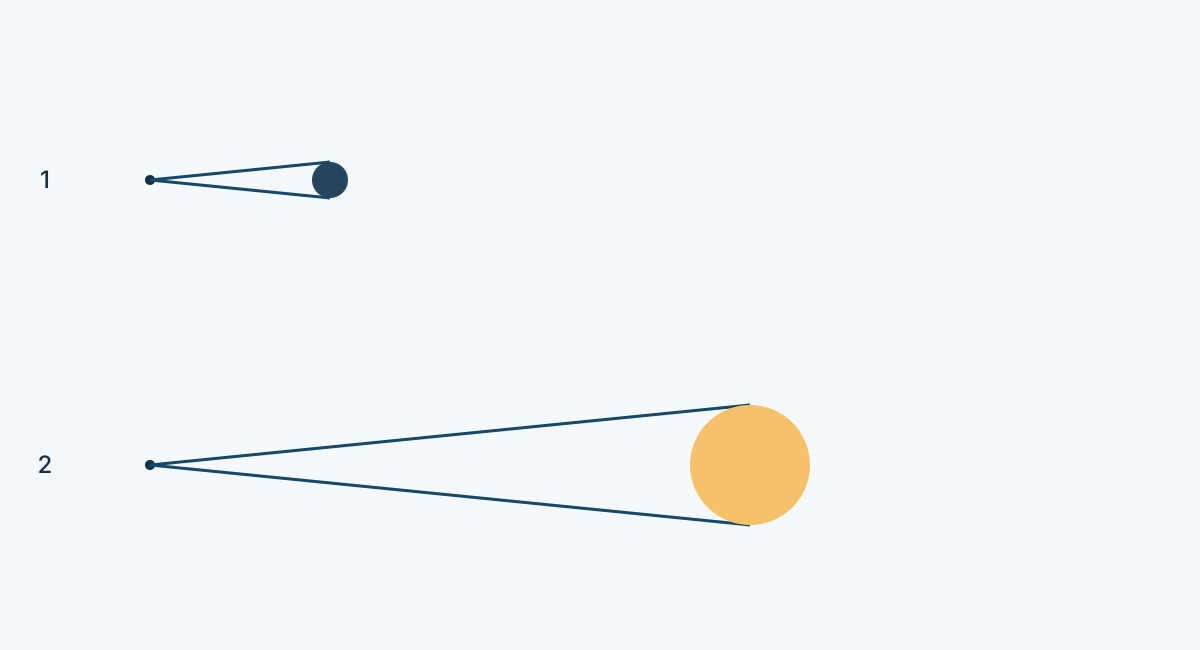
5 min read
月が太陽と同じ大きさに見える理由
月は太陽よりもはるかに小さいですが、太陽に非常に近いものでもあります。皆既日食を可能にする宇宙の偶然について学びましょう。
5 min read
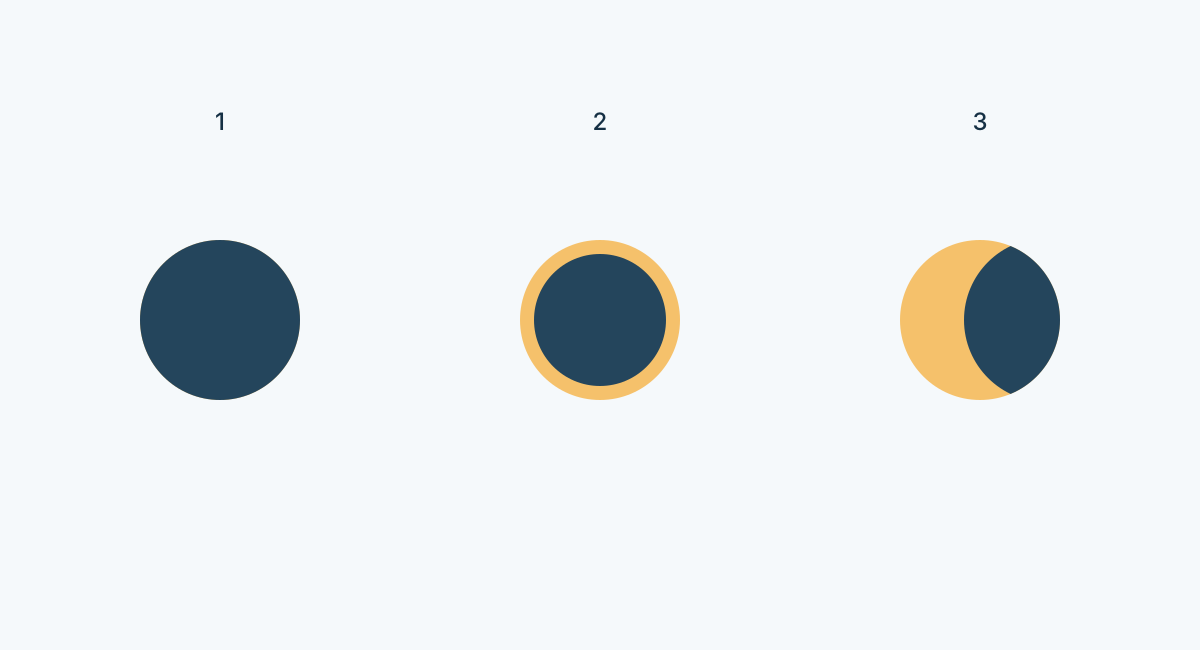
4種類の日食
皆既日食、金環日食、部分日食、および混成日食を、それぞれのタイプの背後にある影の形状とともにわかりやすく説明します。
6 min read
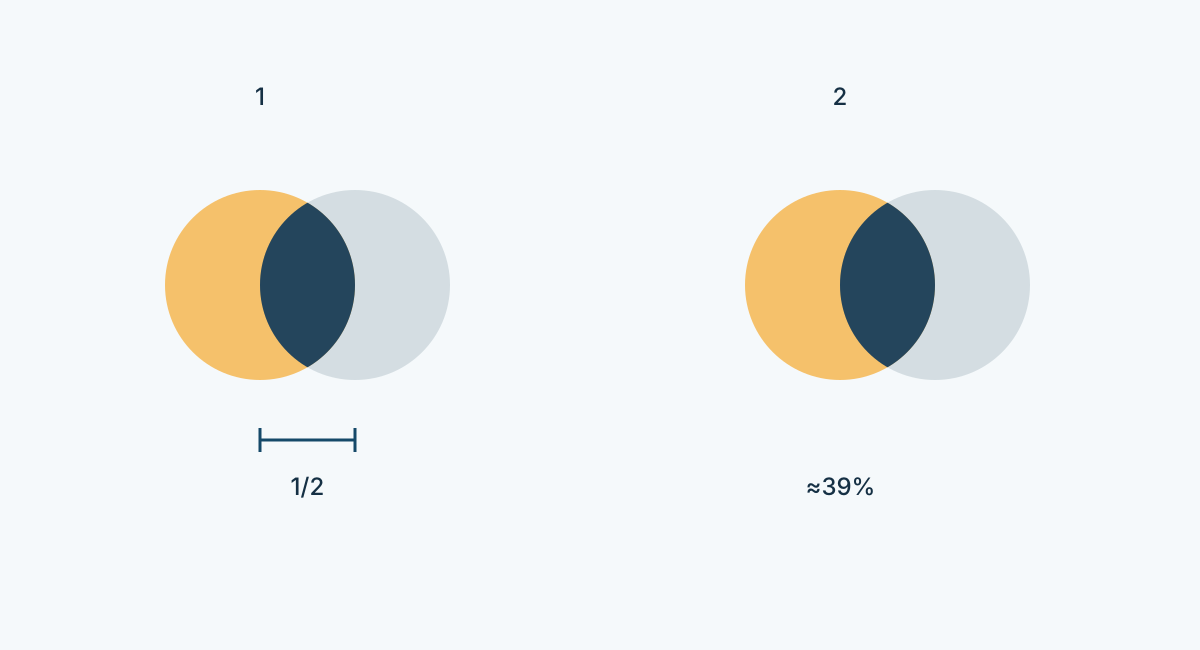
等級、掩蔽、ガンマ: 日食数の説明
日食の等級、掩蔽、およびガンマは、日食の幾何学的形状のさまざまな部分を表します。それぞれの数字の意味と読み方を学びましょう。
5 min read
完全性への道の説明
全体性のパスとは何か、なぜ細いリボンなのか、どのくらいの速度で移動するのか、そしてなぜローカル計画が重要なのか。