
 Engin Kurutepe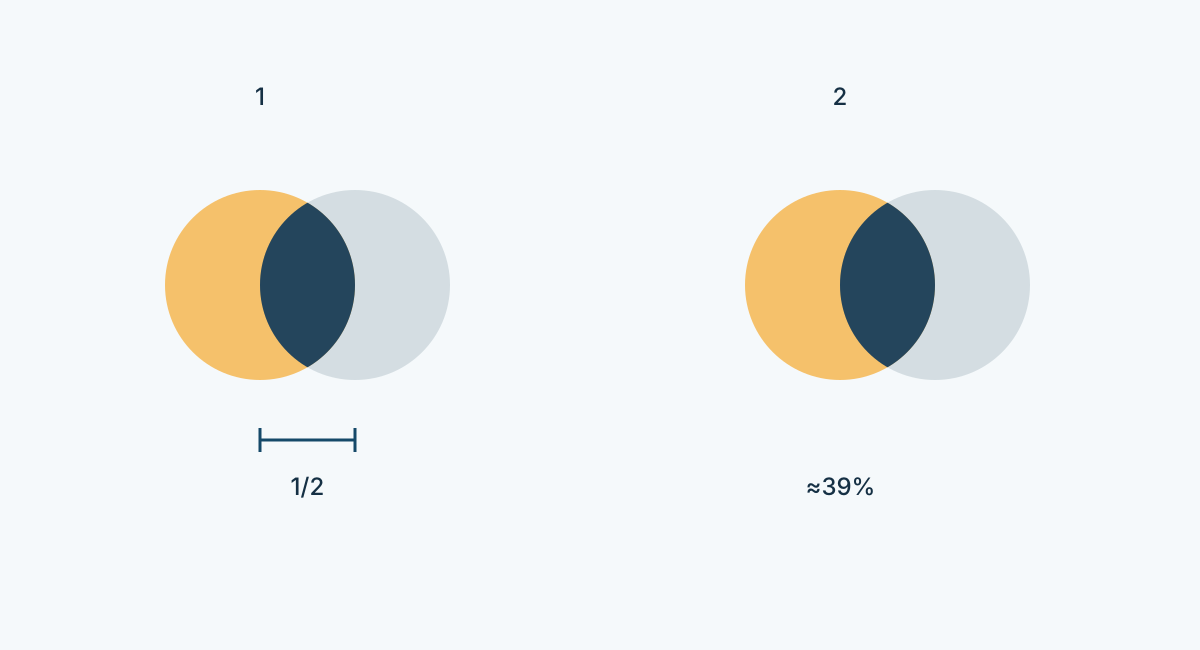
Eclipse ページには、似ているように見えても異なるものを測定する数値が含まれていることがよくあります。 マグニチュード、オブスキュレーション、ガンマの 3 つは最も便利です。それらは一緒に、日食がどのくらいの深さであるか、太陽光がどのくらいカバーされるか、そして月の影が地球の中心をどのくらい通過するかを説明します。
3 つはすべて日食の幾何学を表すため、混同しやすいです。違いを覚える最も簡単な方法は次のとおりです。等級は線のこと、遮蔽は面積のこと、ガンマは地球に対する影の経路のことです。
日食の大きさ
日食等級は、最大日食時に月が覆う太陽の直径の割合を表します。
現地の部分日食で食分0.5は太陽の直径の半分が覆われることを意味し、面積の半分ではありません。中心日食ではNASAのカタログは全体の食最大時における月と太陽の見かけの直径比を示します。皆既なら1より大きく、金環なら1より小さくなります。表がどの定義を使うか確認してください。
大きさは明るさの低下と同じではありません。太陽の直径の半分をカバーしても、その面積の半分をカバーすることにはなりません。オブスキュレーションが別個の番号として存在するのはそのためです。
日食のオブスキュレーション
日食 オブスキュレーション は、太陽の目に見える円盤領域のうち、月で覆われた部分の一部です。
これは、多くの場合、人々が「太陽がどれくらい遮られるか?」と尋ねたときに期待するものに近いものです。マグニチュード 0.5 の部分日食は、太陽の直径の半分を横切る線を覆いますが、重なり具合によっては、覆われた面積が半分よりもはるかに小さくなる可能性があります。
皆既中、太陽の明るい円盤は完全に覆われるため、遮蔽率は 100% に達します。金環日食の間、遮蔽率は非常に高くなる可能性がありますが、光球のリングが見えるままであるため、遮蔽率は依然として 100% 未満です。
認定されたソーラーフィルターなしでは金環日食を決して安全に見ることができない理由もそこにあります。覆われていない小さなリングは依然として強い太陽光を放射しています。
ガンマ値
ガンマは影の軸が地球の中心に最も近づく距離を、地球の赤道半径で表します。符号は北と南を区別します。軸が地球を外れても本影や反本影の端が届けば、非中心の皆既・金環日食が起こり得ます。軸が外れるだけで部分食のみとは限りません。
ガンマはイベントレベルのジオメトリ数値であり、あなたの町のローカルな表示統計ではありません。これは、一部の日食が長い中心経路を持つのに対し、他の日食は極付近で地球をかすめたり、部分的にとどまったりする理由を説明するのに役立ちます。
数字が一致しない理由
マグニチュードとオブスキュレーションは、一緒に動くべきだと感じることがありますし、実際に一緒に動くこともよくありますが、これらは互換性がありません。
ある円を別の円の上にスライドさせることを想像してください。ラインのオーバーラップは、エリアのオーバーラップとは異なる方法で成長します。部分日食の始まり近くでは、小さな咬傷の直径は顕著ですが、面積はそれほど大きくないことがあります。最大値付近では、アライメントの小さな変化が残りの明るい領域に大きな影響を与える可能性があります。
ガンマはまた別の話をします。これは、地球全体に対して影の軸がどこを通過するかを示します。ガンマ値が低いと中央日食が発生する可能性がありますが、局所的な大きさと遮蔽は、パスの内側または外側のどこに立っているかによって異なります。
計画にはローカル番号が最も重要です
日食計画の場合、ローカル値は地上で使用する値です。
- 接触時間は、日食がいつ始まり、最大に達し、終了するかを示します。
- 大きさは、円盤の重なりがどれだけ深くなるかを示します。
- 遮蔽は、太陽の面積がどれだけ覆われているかを示します。
- 太陽高度は、地形や建物が視界を遮るかどうかを示します。
- 期間 は、現在地が中央パスの内側にある場合に、全体性または環状性がどれくらい続くかを示します。
それらの値は場所ごとに変化します。中心線に近い都市は、端に近い都市よりも皆既持続時間がはるかに長くなる可能性があります。パスの外側の都市には依然として高い遮蔽がある可能性がありますが、全体性はまったくありません。
日食マップの見方
パスから始めます。全体性または環状性が必要な場合は、中央パスの内側にいる必要があります。次に、現地の連絡時間と太陽の高度を確認します。最後に、等級と掩蔽を使用して、部分日食の位置を比較したり、自分がいる場所での日食の深さを把握したりできます。
ガンマは、カタログ内の日食を比較するときに最も役立ちます。これは、影が地球の中心を通過するのか、それとも地球をかすめるのかを説明するのに役立ちます。
ソースと関連ガイド
- NASA GSFC の日食出版ノートでは、等級、オブスキュレーション、ガンマ を定義しています。
- NASA GSFC は、日食予測が基礎となる幾何学形状から ローカル状況 を計算する方法を説明しています。
- NASA の日食ガイドでは、皆既現象が 長くて狭い経路 内でのみ発生する理由を説明しています。
- 関連する SolarWatch ガイド: 日食予測の仕組み、月の楕円軌道、日食接触時間、皆既軌道。
SolarWatch で確認してください
SolarWatch は、地図上の選択した点の局所的な日食の状況を表示します。ある場所が観測に値するかどうかを判断するために、1 つの数値に依存するのではなく、等級、掩蔽、接触時間、太陽高度、継続時間を組み合わせて使用します。
Keep reading
All guides
5 min read
日食予測の仕組み
軌道モデル、ベッセル要素、月の地形、現地の状況を使用して日食を予測する方法についての明確なガイド。
5 min read
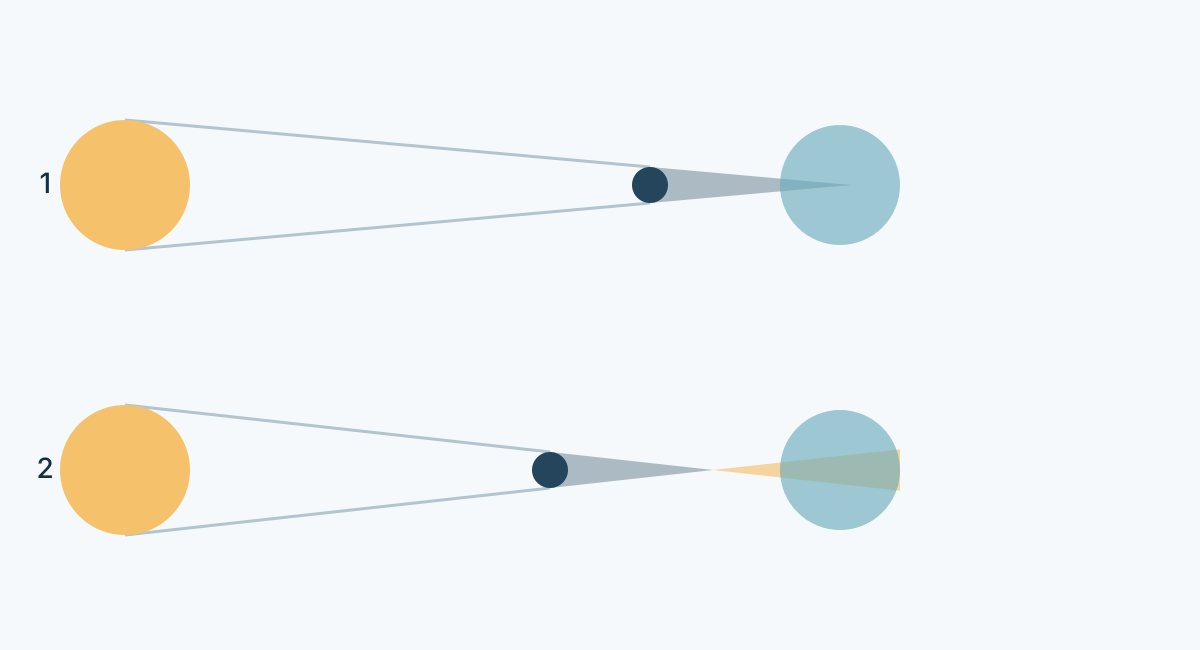
月の楕円軌道と日食の種類
月の地球からの距離は、その楕円軌道によって変化します。近地点と遠地点が皆既日食か金環日食かを判断するのに役立つ理由を学びましょう。
5 min read
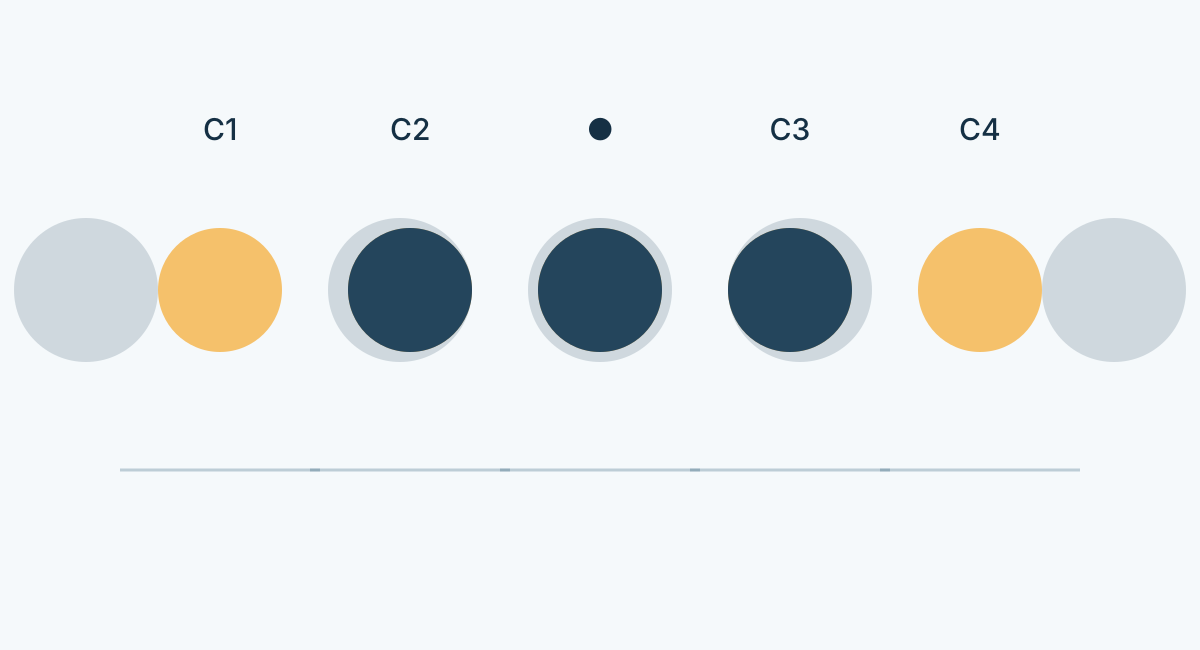
C1、C2、C3、C4: 日食の 4 つの接点
日食接触時間が何を意味するのか、C1 から C4 がローカルである理由、そしてそれらが安全性、写真撮影、皆既計画にどのように影響するのかを学びましょう。
5 min read
完全性への道の説明
全体性のパスとは何か、なぜ細いリボンなのか、どのくらいの速度で移動するのか、そしてなぜローカル計画が重要なのか。