
 Engin Kurutepe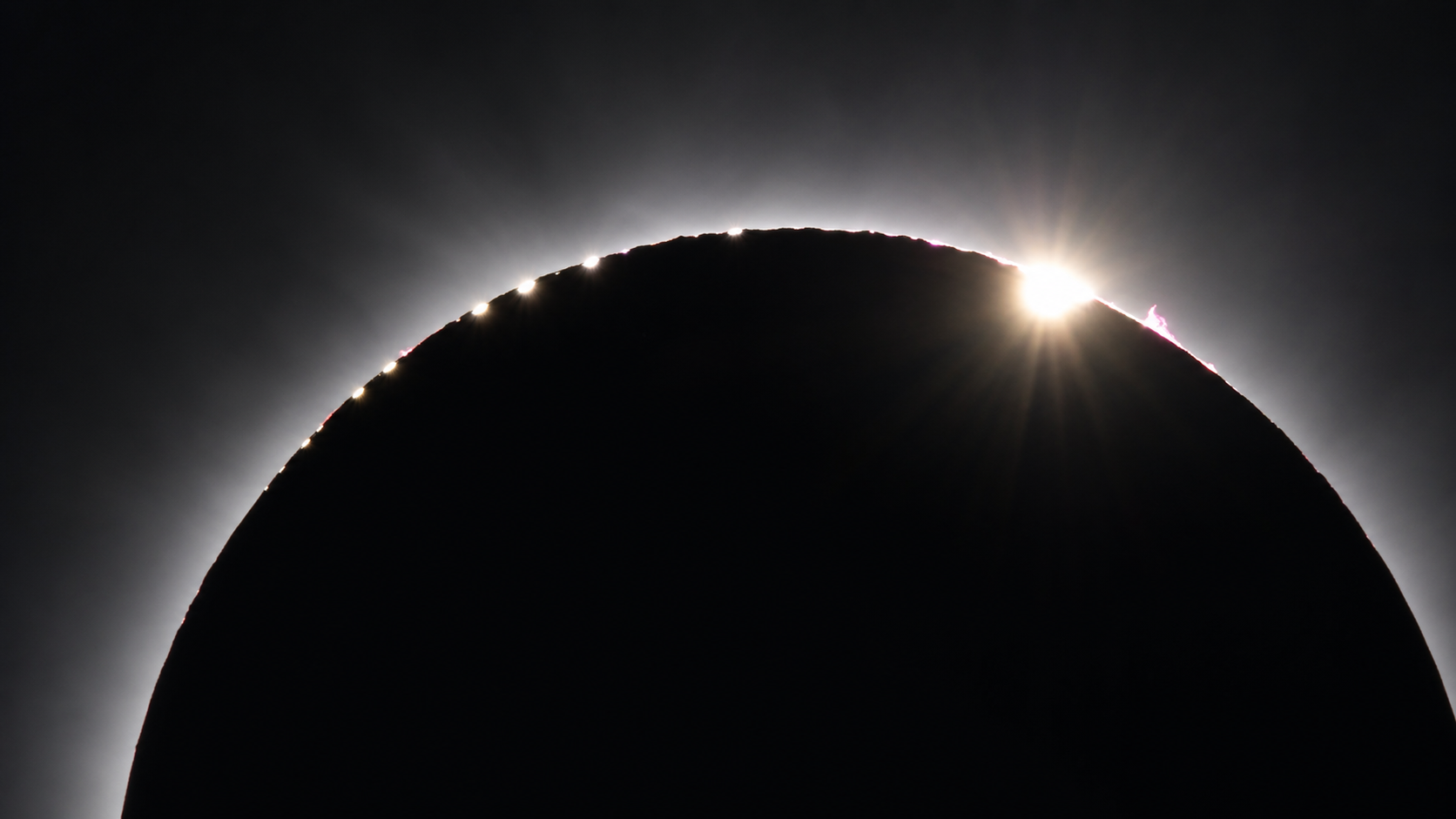
베일리의 구슬은 개기일식 직전과 직후에 달 가장자리 주위에 나타나는 밝은 햇빛 점입니다. 달의 가장자리가 매끄럽지 않기 때문에 이런 현상이 발생합니다.
달에는 산, 계곡, 분화구 테두리, 고르지 못한 지형이 있습니다. 달이 태양을 거의 완전히 가리고 있기 때문에 햇빛은 달의 가지를 따라 있는 낮은 계곡을 통해 여전히 빠져나가고 있습니다. 지구에서 보면 그 작은 구멍은 빛의 구슬처럼 보입니다.
구슬이 나타나는 이유
밝은 램프 앞에서 울퉁불퉁한 산의 스카이라인을 낮추는 것을 상상해 보십시오. 높은 봉우리는 램프를 먼저 차단하고, 계곡은 좁은 빛을 잠시 동안 통과시킵니다. Baily의 구슬은 달 규모에서도 같은 아이디어입니다.
이 효과는 1836년 금환일식 동안 이를 설명한 Francis Baily의 이름을 따서 명명되었습니다. 오늘날 달 표면의 상세한 지도는 일식 예측이 구슬과 접촉의 타이밍을 매우 정확하게 모델링하는 데 도움이 됩니다.
다이아몬드 반지 효과
다이아몬드 링 효과는 밀접한 관련이 있습니다. 코로나의 희미한 빛 옆에 단 하나의 찬란한 햇빛 구슬만 보일 때 발생합니다. 그 장면은 반지에 빛나는 다이아몬드와 비슷합니다.
다이아몬드 반지는 종종 전체성이 시작되는 두 번째 접촉 직전에 보이고, 전체성이 끝나는 세 번째 접촉 직후에 다시 보입니다.
연락 시간이 중요합니다
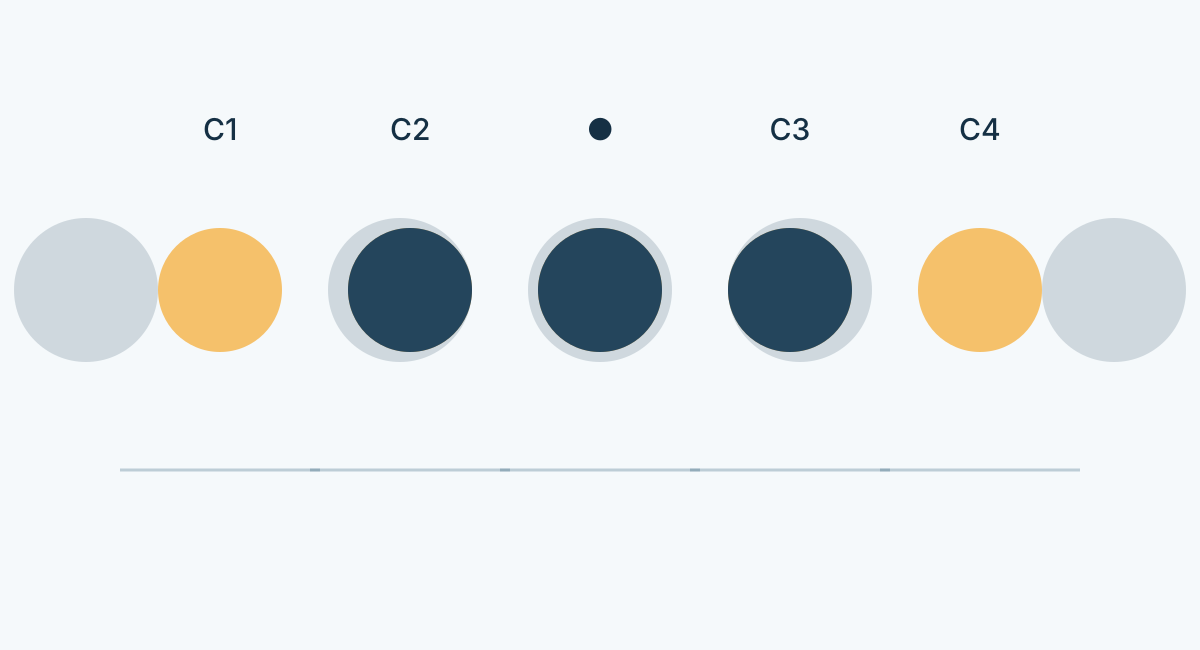
Baily의 구슬과 다이아몬드 반지는 두 번째 및 세 번째 접촉 근처에서 발생합니다.
- C1: 부분 일식이 시작됩니다.
- C2: 전체성 시작
- C3: 전체성 종료
- C4: 부분 일식이 종료됩니다.
C2 근처에서는 마지막 햇빛이 구슬 모양으로 부서진 후 사라집니다. C3 근처에서는 태양이 떠오르기 시작하면서 구슬이 다시 돌아옵니다. 이러한 순간은 짧을 수 있으며, 특히 전체성의 길 가장자리 근처에서는 더욱 그렇습니다.
구슬이 위치에 따라 다른 이유
서로 다른 장소에 있는 두 명의 관찰자는 동일한 일식 동안 서로 다른 구슬 패턴을 볼 수 있습니다. 이는 각 위치가 달 가장자리의 약간 다른 부분과 일치하기 때문입니다.
지구상에서 당신의 위치는 햇빛의 마지막 조각과 일치하는 달의 계곡을 변경합니다. 이것이 지역 일식 상황이 편리함 그 이상인 이유 중 하나입니다. 일식은 실제로 지역적입니다.
과학에 유용한 이유
베일리의 비즈는 예쁘기만 한 것이 아닙니다. 그 시기는 달의 지형과 관찰자의 위치에 따라 다르기 때문에 일식 접촉 관찰을 개선하고 태양 가지를 연구하는 데 사용되었습니다. 현대 우주선은 달의 지도를 아주 자세하게 그려냈지만 기본 아이디어는 여전히 우아합니다. 햇빛의 작은 점들이 또 다른 세계의 거친 가장자리를 드러낸다는 것입니다.
관찰하는 방법
베일리의 구슬과 다이아몬드 링에는 직접 햇빛이 남아 있으므로 태양 관측용 눈 보호가 필요합니다. 완전한 개기 상태를 확인한 뒤에만 보호 장비를 벗고 밝은 빛이 돌아오기 전에 다시 착용하세요. 금환일식에는 보호 없이 볼 수 있는 안전한 시간이 없습니다. 앱의 카운트다운만으로 안전을 판단하지 마세요.
카메라 필터와 노출 설정이 전체적으로 변경되므로 사진작가는 특히 주의해야 합니다. 밝은 태양이 보이는 동안에는 태양 필터가 필요합니다. 전체 작동 중에는 코로나 때문에 필터가 벗겨질 수 있으며, 직사광선이 다시 들어오기 전에 다시 켜야 합니다.
이번이 첫 번째 개기일식이라면 구슬 사진을 찍을 것인지 아니면 그냥 지켜볼 것인지 미리 결정하세요. 그런 일은 빨리 일어납니다. 차분한 계획은 마지막 순간의 쟁탈전을 능가합니다.
소스 및 관련 가이드
- NASA의 베일리의 구슬 자원은 2017년 개기일식 동안의 효과를 보여줍니다.
- NASA는 Lunar Reconnaissance Orbiter 지형 데이터가 일식 지도 및 비드 타이밍을 향상시키는 방법을 설명합니다.
- 관련 SolarWatch 가이드: 일식 접촉 시간, 태양 코로나, 그림자 밴드 및 일식 안전.
SolarWatch에서 확인하세요
SolarWatch는 선택한 위치에 대한 C1, C2, C3 및 C4를 표시합니다. 현지 세부 타임라인을 사용하여 베일리의 구슬과 다이아몬드 반지가 언제 발생할 가능성이 있는지 파악하고 개기일식의 시작과 끝을 중심으로 눈 보호 계획을 세우세요.
Keep reading
All guides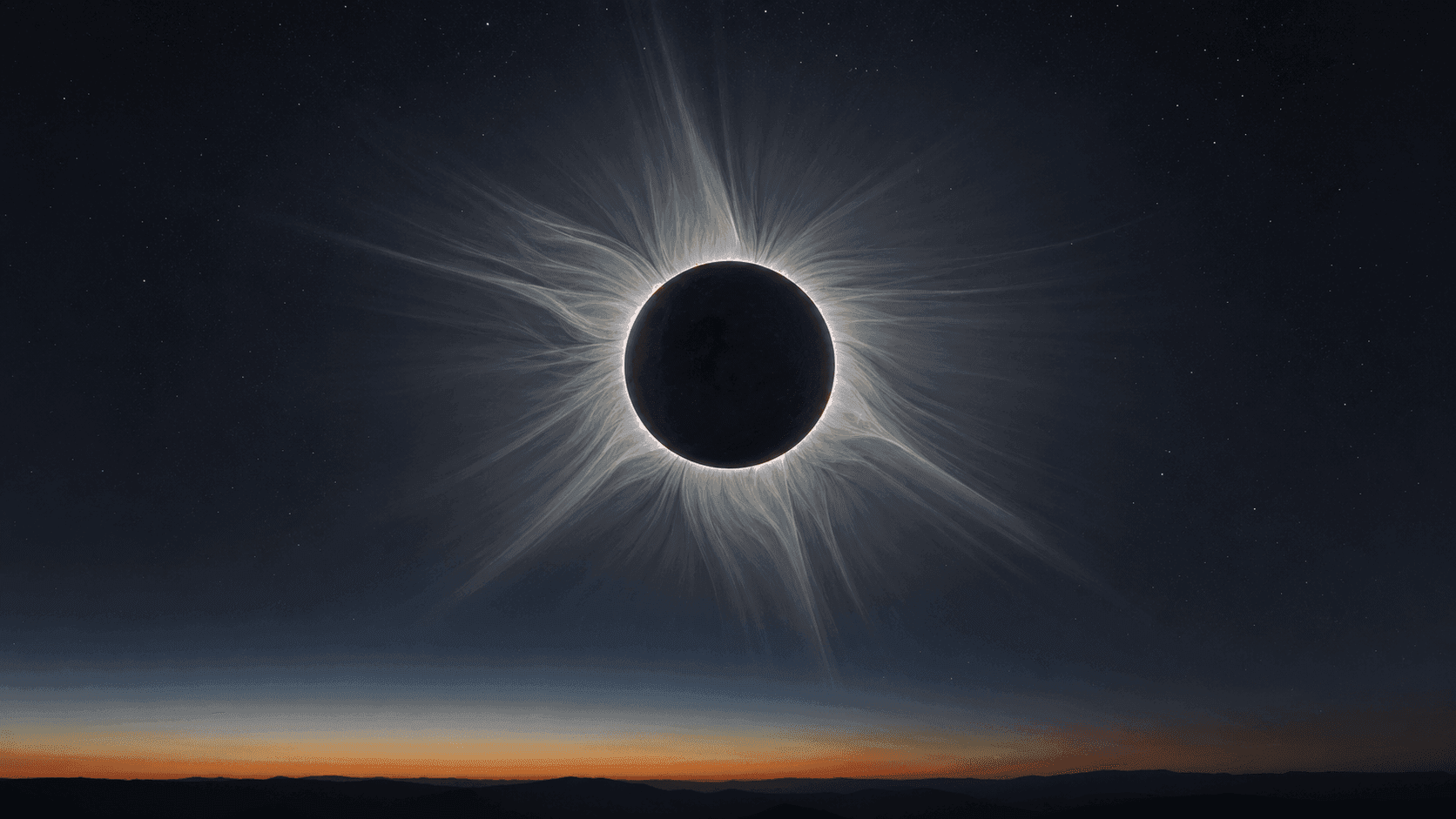
4 min read
태양 코로나: 태양의 숨겨진 왕관
태양 코로나는 태양의 희미한 외부 대기로, 개기일 동안 볼 수 있습니다. 일식이 나타나는 이유와 그것이 과학적으로 신비한 이유를 알아보세요.
5 min read
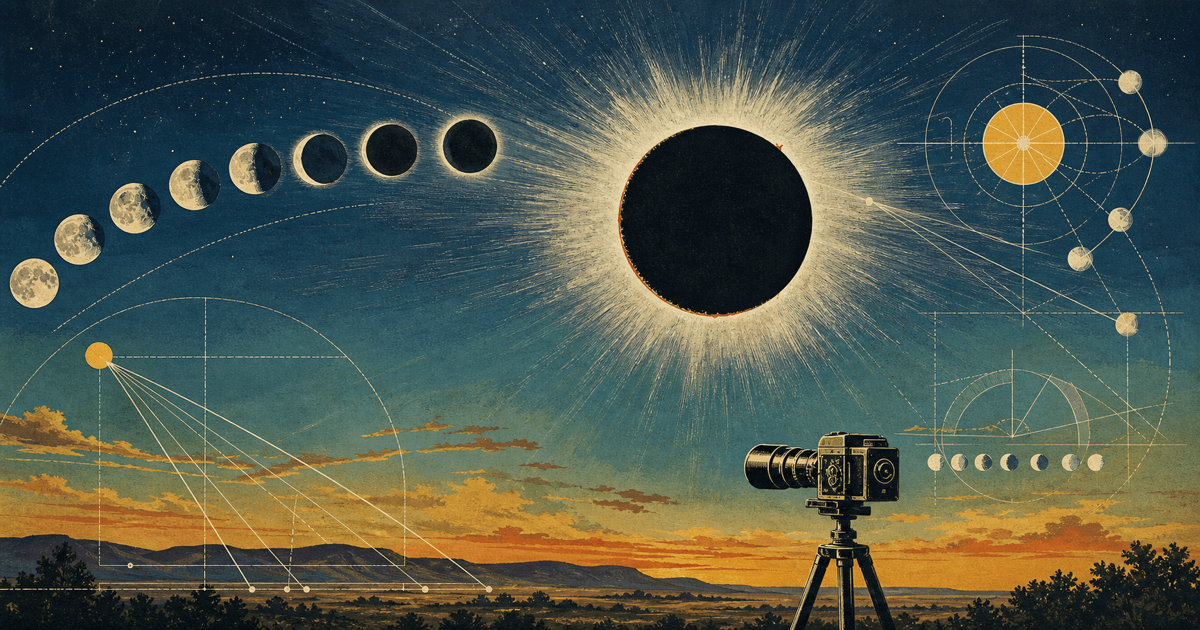
섀도우 밴드: 전체성 이전의 잔물결
그림자 띠는 개기화 직전과 직후에 땅을 가로질러 잔물결을 일으킬 수 있는 희미한 물결 모양의 선입니다. 원인이 무엇인지, 어떻게 찾는지 알아보세요.
4 min read
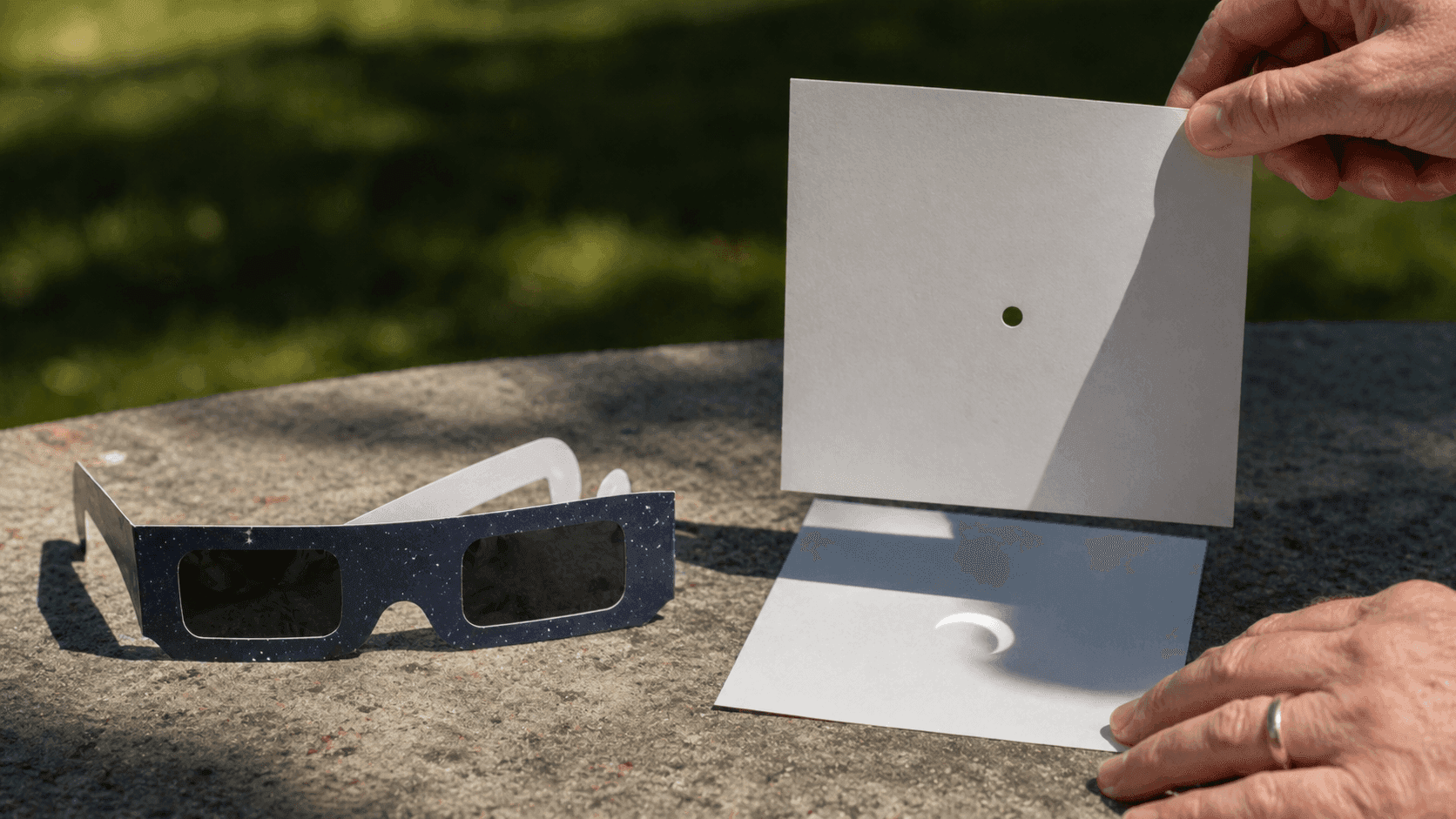
일식을 안전하게 관찰하는 방법
ISO 12312-2 일식 안경, 안전한 간접 관찰, 카메라 필터, 전체가 안전할 때 등 필수 일식 안전 규칙을 알아보세요.
4 min read
C1, C2, C3, C4: Eclipse의 네 가지 접점
일식 접촉 시간의 의미, C1~C4가 로컬인 이유, 안전, 사진 촬영 및 전체 계획을 안내하는 방법에 대해 알아보세요.