
 Engin Kurutepe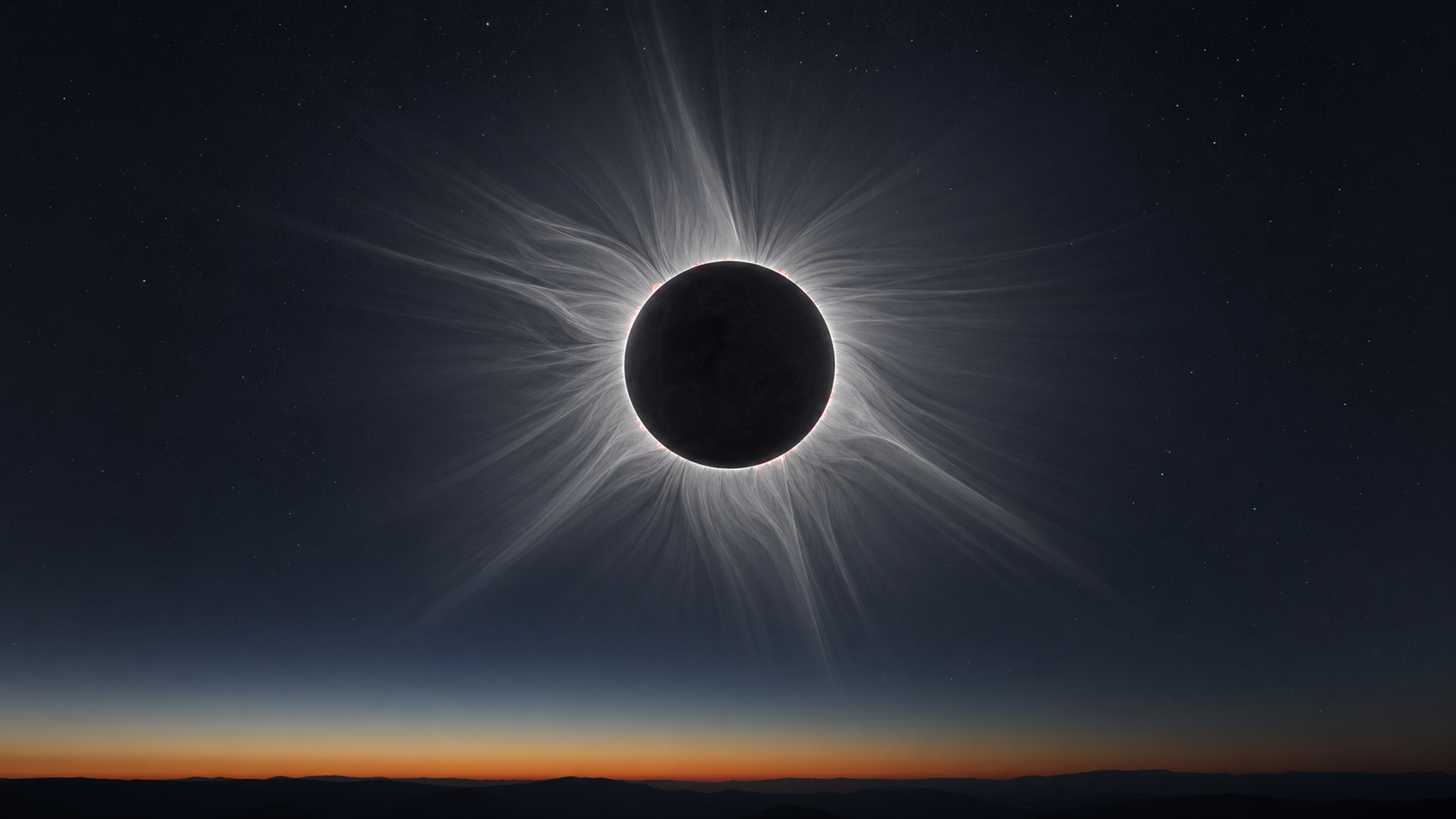
태양 코로나는 태양의 외부 대기입니다. 그것은 수백만 킬로미터에 걸쳐 우주로 뻗어 있지만 대부분의 경우 태양의 밝은 표면이 그것을 압도하기 때문에 지구에서 볼 수 없습니다.
개기일 동안 달은 그 밝은 표면을 덮습니다. 몇 초에서 몇 분까지 코로나는 달의 검은 원반 주위에 창백하고 섬세한 왕관 모양으로 나타납니다. 태양 활동에 따라 흰색 깃발, 꽃잎, 붓 또는 날개처럼 보일 수 있습니다.
코로나가 숨겨져 있는 이유
광구라고 불리는 태양의 눈에 보이는 표면은 매우 밝습니다. 코로나는 훨씬 더 희미합니다. 일반적인 일광 하에서는 광구와 지구 대기가 너무 많은 빛을 산란시켜 코로나가 시야에서 사라지게 됩니다.
개기 일식은 자연적인 코로나 그래프를 만듭니다. 달은 광구를 거의 완벽하게 차단하여 희미한 외부 대기가 나타나도록 합니다. 이것이 개기일식이 태양과학에 그토록 귀중한 이유 중 하나입니다.
환상일식과 부분일식은 밝은 광구의 일부가 여전히 보이기 때문에 육안으로는 코로나를 드러내지 않습니다.
코로나는 무엇으로 만들어졌나요?
코로나는 극도로 얇은 플라즈마입니다. 태양의 자기장에 의해 형성되는 뜨겁고 전기적으로 충전된 가스입니다. 단단한 표면이나 불꽃이 아닙니다. 자기장이 비틀리고, 다시 연결되고, 하전 입자를 태양으로부터 멀어지게 유도함에 따라 그 구조가 변경됩니다.
태양 극대기에 가까워 태양이 더 활동적일 때 코로나는 더 복잡하고 퍼져 보이는 경향이 있습니다. 태양 극소기 부근에서는 종종 태양의 적도를 따라 더 뻗어 있는 것처럼 보입니다.
코로나 가열 문제
코로나에 대한 가장 이상한 사실 중 하나는 온도입니다. 태양의 눈에 보이는 표면 온도는 대략 섭씨 5,500도이지만 코로나의 일부는 수백만도에 이릅니다.
거꾸로 된 것 같습니다. 태양의 대기가 표면에서 멀어질수록 더 차가워질 것으로 예상할 수 있습니다. 대신 외부 대기는 훨씬 더 뜨거워진다.
과학자들은 이것을 관상열 문제라고 부릅니다. 자기파, 작은 재결합 사건, 플라즈마 난류 등은 모두 조사의 일부이지만 전체 설명은 태양 물리학의 활성 영역으로 남아 있습니다.
NASA의 파커 태양탐사선(Parker Solar Probe)은 2021년부터 코로나를 근접 통과하여 과학자들이 이 가열 문제가 발생하는 지역을 직접 측정할 수 있게 했습니다.
일식 관찰자가 관심을 갖는 이유
많은 사람들에게 코로나는 전체성의 감정적 중심입니다. 사진으로 보여줄 수 있지만, 눈이 갑작스러운 어둠에 적응하고 달 주변의 미세한 구조를 포착하기 때문에 라이브 뷰는 다릅니다.
코로나의 모습이 일식마다 달라지는 이유는 그 구조가 태양의 변화하는 자기장과 활동을 반영하기 때문입니다.
언제까지 볼 수 있나요?
여러분은 전체성 동안에만, 두 번째 접촉과 세 번째 접촉 사이에, 그리고 전체성 경로 내부에서만 코로나를 볼 수 있습니다. 해당 경로 밖에 있으면 매우 깊은 부분 일식에서도 해당 경로가 표시되지 않습니다.
전체 지속 시간은 경로 내의 위치, 달의 거리, 태양의 거리 및 지구 표면의 모양에 따라 달라집니다. 경로 가장자리 근처에서 전체성은 단 몇 초 동안만 지속될 수 있습니다. 중앙선 근처에서는 훨씬 더 오래 지속될 수 있습니다.
찾아야 할 것
하나의 완벽한 세부 사항을 찾기 위해 전체 단계를 낭비하지 마십시오. 먼저, 갑작스러운 어둠에 눈이 익숙해지도록 하세요. 그런 다음 코로나의 전체적인 모양을 찾으십시오. 깃발은 길고 뻗어 있습니까, 아니면 태양 주위에 더 고르게 퍼져 있습니까? 한쪽이 더 밝아졌나요? 달 근처에서 홍염을 볼 수 있는 붉은 가장자리를 볼 수 있습니까?
이러한 인상은 과학적 가치와 인간 전체의 가치의 일부입니다. 코로나는 고정된 상징이 아닙니다. 이는 태양의 자기 활동과 연결된 변화하는 구조입니다.
소스 및 관련 가이드
- NASA는 과학자들이 일식 전 코로나를 예측하는 방법을 설명합니다.
- NASA의 파커 태양 탐사선 임무는 코로나 가열 문제를 설명합니다.
- 관련 SolarWatch 가이드: 달과 태양의 겉보기 크기가 일치하는 이유, 베일리의 구슬, 그림자 띠 및 일식 안전.
SolarWatch에서 확인하세요
SolarWatch는 전체성이 가능한 위치와 선택한 지점에서 전체성이 얼마나 오래 지속되는지 찾는 데 도움이 됩니다. 일식 지도를 사용하여 경로를 따라 위치를 비교하고, 코로나를 관찰하고, 장비를 조정하는 데 전체 이벤트를 허비하지 않고 총체적으로 검색할 수 있는 충분한 시간이 있는 관찰 지점을 선택합니다.
Keep reading
All guides
4 min read
일식이란 무엇입니까?
일식에 대한 일반 언어 가이드: 달이 태양을 가리는 방법, 개기일식은 왜 드문지, 개기일식의 경로에서 무엇을 볼 수 있는지.
4 min read
달이 태양과 같은 크기로 보이는 이유
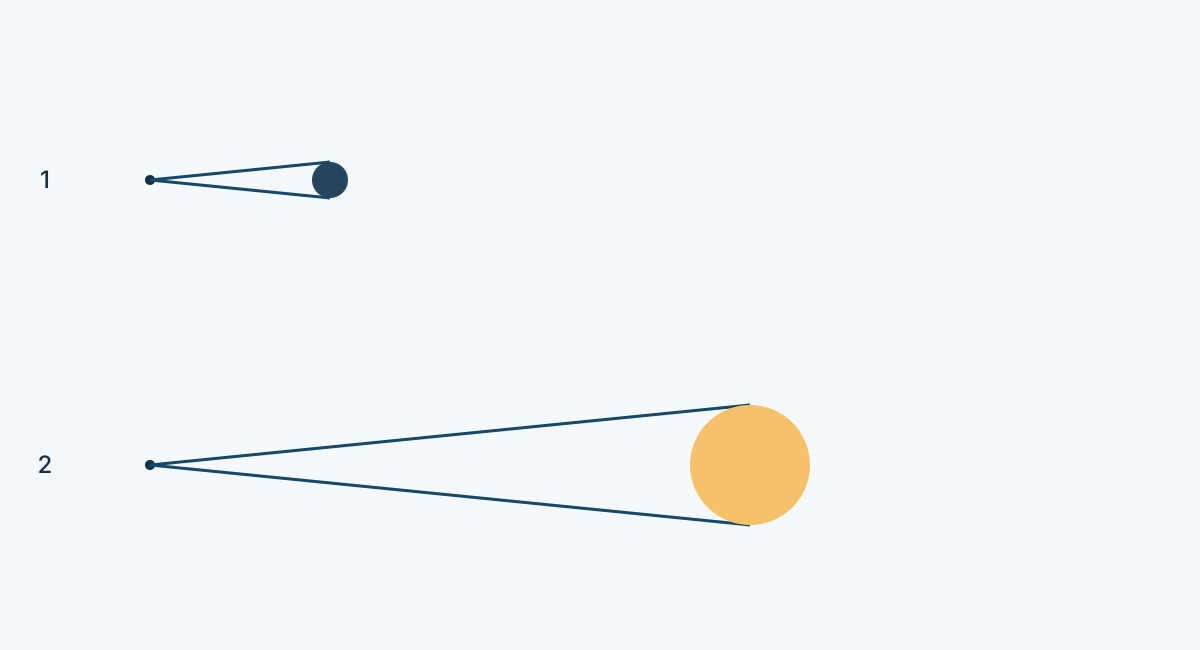
달은 태양보다 훨씬 작지만 훨씬 더 가깝습니다. 개기일식을 가능하게 하는 우주적 우연의 일치에 대해 알아보세요.
4 min read
베일리의 구슬과 다이아몬드 반지 효과
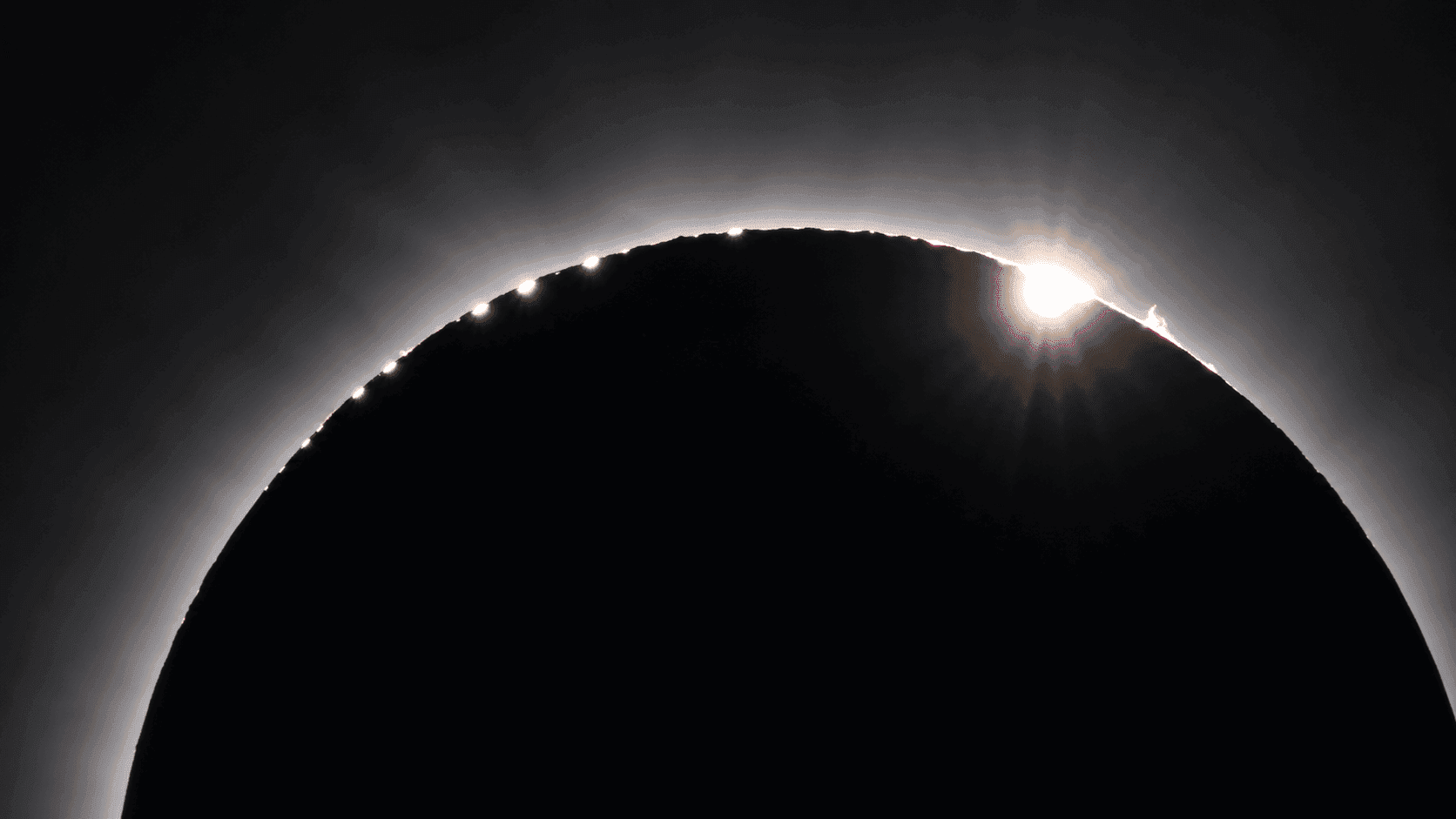
베일리의 구슬과 다이아몬드 반지 효과는 햇빛이 개기일식 가장자리의 달 계곡을 통과할 때 발생합니다. 무엇을 주의해야 하는지 알아보세요.
5 min read
섀도우 밴드: 전체성 이전의 잔물결
그림자 띠는 개기화 직전과 직후에 땅을 가로질러 잔물결을 일으킬 수 있는 희미한 물결 모양의 선입니다. 원인이 무엇인지, 어떻게 찾는지 알아보세요.
4 min read
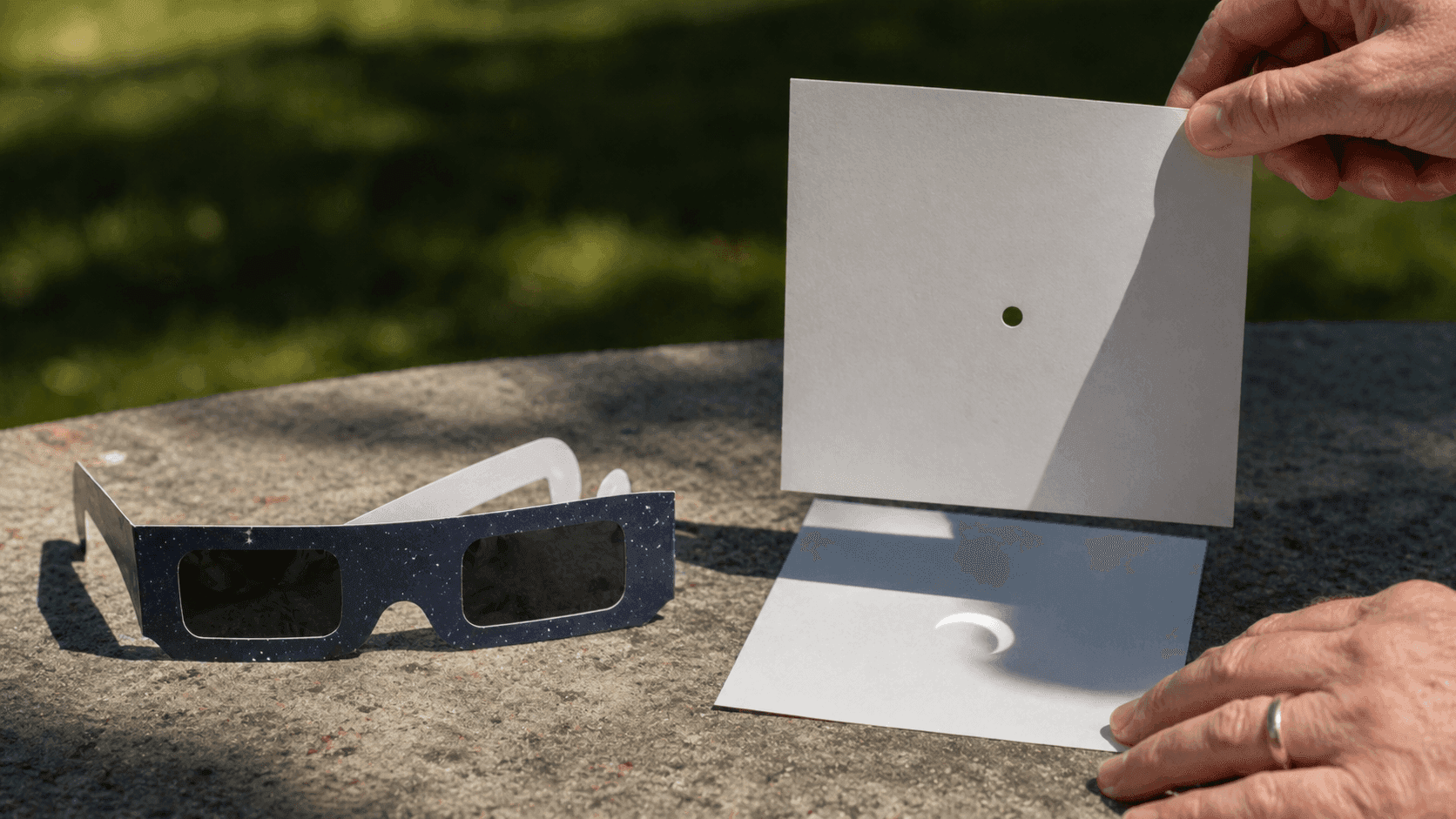
일식을 안전하게 관찰하는 방법
ISO 12312-2 일식 안경, 안전한 간접 관찰, 카메라 필터, 전체가 안전할 때 등 필수 일식 안전 규칙을 알아보세요.