
 Engin Kurutepe
Schattenbänder sind schwache, wellenförmige Linien aus Licht und Dunkelheit, die sich kurz vor und kurz nach der Totalität über den Boden bewegen können. Sie gehören zu den seltsamsten Auswirkungen einer totalen Sonnenfinsternis, weil sie am Boden und nicht am Himmel auftreten.
Viele Menschen vermissen sie. Die Bänder sind subtil, kurz und auf einer einfachen, hellen Oberfläche am besten zu erkennen. Wenn man jedoch weiß, wann man hinschauen muss, können sie die letzten Sekunden vor der Totalität noch unheimlicher wirken lassen.
Wie Schattenbänder aussehen
Beobachter beschreiben Schattenbänder oft als dünne Wellen, Wellen oder Lichtschlangen, die sich über ein weißes Laken, eine helle Wand, einen Gehweg oder einen sandigen Boden bewegen. Sie weisen normalerweise einen geringen Kontrast auf. In Wirklichkeit können sie ein wenig wie Sonnenlicht aussehen, das auf dem Boden eines Schwimmbeckens schimmert.
Sie sehen auf einer Karte nicht wie der Hauptschatten des Mondes aus. Der Kernschatten ist der dunkle zentrale Schatten der Sonnenfinsternis, der die Totalität schafft. Schattenbänder sind viel kleinere Muster, die durch die Interaktion der letzten schmalen Sichel des Sonnenlichts mit der Erdatmosphäre entstehen.
Wenn sie erscheinen
Schattenbänder werden am häufigsten kurz vor dem zweiten Kontakt gemeldet, wenn die Totalität beginnt, und kurz nach dem dritten Kontakt, wenn die Totalität endet. Dieser Zeitpunkt ist wichtig, weil die Sonne zu einer sehr dünnen Sichel geworden ist.
Je dünner die Sichel, desto mehr verhält sich die Sonne wie ein schmaler Lichtspalt. Atmosphärische Turbulenzen können das Licht dann verbiegen und bündeln und so zu beweglichen Mustern auf dem Boden führen.
Sie sind nicht garantiert. Manche Finsternisse erzeugen offensichtliche Bänder, andere erzeugen schwache Bänder und manche Beobachter sehen überhaupt keine. Wolken, Dunst, Bodenbeschaffenheit, Wind, örtliche Atmosphäre und Aufmerksamkeit beeinflussen alle, ob Sie sie bemerken.
Was verursacht Schattenbänder?
Die kurze Antwort ist atmosphärische Turbulenzen, die auf die dünne Sonnensichel nahe der Totalität einwirken.
Die Erdatmosphäre ist nicht vollkommen glatt. Es enthält sich bewegende Luftblasen mit leicht unterschiedlichen Temperaturen und Dichten. Diese Unterschiede beugen das Licht um winzige Mengen. Bei normalem Tageslicht ist die Sonne eine große helle Scheibe, sodass die Verzerrungen verschwimmen und Sie kein klares Muster erkennen können.
Nahezu vollständig ist von der Sonne nur noch eine schmale Sichel übrig. Diese schmale Quelle macht atmosphärische Verzerrungen besser sichtbar. Das Ergebnis ist ein Muster abwechselnd heller und dunkler Bänder, die schnell driften, schimmern und sich ändern.
Wissenschaftler erforschen immer noch die genaue Physik. Einige neuere Arbeiten modellieren Schattenbänder mit Wellenoptik und verteilter Turbulenz, während bei Feldkampagnen zur Sonnenfinsternis Kameras, Fotodioden und Ballons in großer Höhe zur Messung des Effekts eingesetzt wurden. Für einen gelegentlichen Beobachter genügt die Schlüsselidee: Schattenbänder offenbaren die bewegte Atmosphäre, weil das Licht der Sonnenfinsternis ungewöhnlich schmal geworden ist.
So suchen Sie nach ihnen
Die beste Methode ist einfach: Legen Sie ein weißes Laken, eine Plakatwand oder eine helle Decke auf den Boden, bevor die Sonnenfinsternis ihre Totalität erreicht. Wählen Sie einen Ort mit direkter Sonneneinstrahlung und halten Sie die Oberfläche so flach, dass ein subtiler Kontrast sichtbar ist.
Beginnen Sie einige Minuten vor dem zweiten Kontakt mit dem Zuschauen, aber ignorieren Sie die Sicherheit nicht. Während der Teilphase sind für den direkten Blick in die Sonne noch zertifizierte Sonnenfinsternisbrillen oder geeignete Sonnenfilter erforderlich. Der Blick nach unten auf ein Blatt ist sicher, der Blick nach oben zur schrumpfenden Sonne jedoch nicht.
Wenn Sie in einer Gruppe sind, weisen Sie dem Blatt eine Person oder eine Telefonkamera zu. Schattenbänder können auftauchen, während sich alle anderen auf Bailys Perlen, den Diamantring und die plötzliche Ankunft der Totalität konzentrieren.
Wie man sie fotografiert oder aufnimmt
Videos sind in der Regel besser als Standbilder, da die Bewegung Teil des Phänomens ist. Richten Sie vor der Totalaufnahme ein Telefon oder eine Kamera auf die weiße Oberfläche, sperren Sie die Belichtung, wenn möglich, und nehmen Sie mit dem zweiten Kontakt weiter auf. Wiederholen Sie dies nach dem dritten Kontakt, wenn Sie die Bänder einfangen möchten, wenn das Sonnenlicht zurückkehrt.
Vermeiden Sie eine Überbelichtung des Blattes. Die Bänder sind schwach, sodass eine etwas dunklere Belichtung möglicherweise mehr Kontrast zeigt. Ein Stativ oder ein Telefon auf einer Tasche reichen aus; hierfür ist keine aufwändige Ausrüstung erforderlich.
Warum sie sehenswert sind
Schattenbänder erinnern daran, dass eine totale Sonnenfinsternis nicht nur eine Ausrichtung im Raum ist. Es ist auch ein stimmungsvolles Event bei Ihnen vor Ort. Derselbe schrumpfende Halbmond, der Bailys Perlen am Himmel erzeugt, kann die Luft selbst am Boden sichtbar machen.
Sie sind auch eine gute Beobachtung für alle Altersgruppen. Kinder können sich das Blatt ansehen, während Erwachsene sich um die Kameraeinstellungen oder das Timing der Sonnenfinsternis kümmern. Auch wenn keine Bänder auftauchen, hilft das Experiment dabei, die Kontaktzeitlinie mit echten Lichtveränderungen in Verbindung zu bringen.
Quellen und zugehörige Leitfäden
- In der Eclipse-2017-Aktivität der NASA wird beschrieben, wie man Schattenbänder erforscht (https://eclipse2017.nasa.gov/exploring-shadow-bands) mit einem einfachen Bildschirm.
- NASA Marshall diskutiert Schattenbänder als Sonnenfinsterniseffekt.
- Papiermodelle von Applied Optics aus dem Jahr 2021 Schattenbänder durch atmosphärische Turbulenzen.
- Verwandte SolarWatch-Anleitungen: Kontaktzeiten der Sonnenfinsternis, Baily-Perlen, die Sonnenkorona und Sicherheit bei Sonnenfinsternissen.
Sehen Sie es in SolarWatch
Nutzen Sie die Kontaktzeiten von SolarWatch, um zu erfahren, wann an Ihrem Standort ein zweiter und dritter Kontakt stattfindet. Bereiten Sie vor der Totalität ein weißes Blatt vor, beobachten Sie den Countdown und schauen Sie in den letzten Momenten vor dem Erscheinen der Korona nach unten.
Keep reading
All guides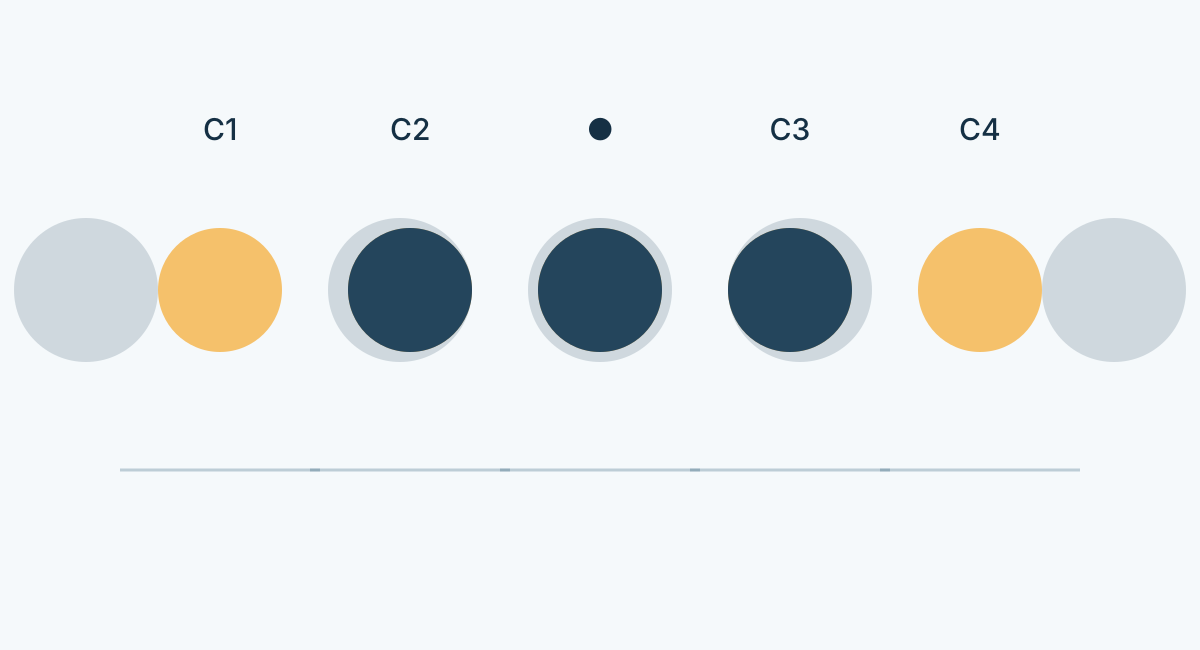
3 min read
C1, C2, C3, C4: Die vier Kontaktpunkte einer Sonnenfinsternis
Erfahren Sie, was die Kontaktzeiten der Sonnenfinsternis bedeuten, warum C1 bis C4 lokal sind und wie sie Sicherheit, Fotografie und Gesamtplanung beeinflussen.
3 min read
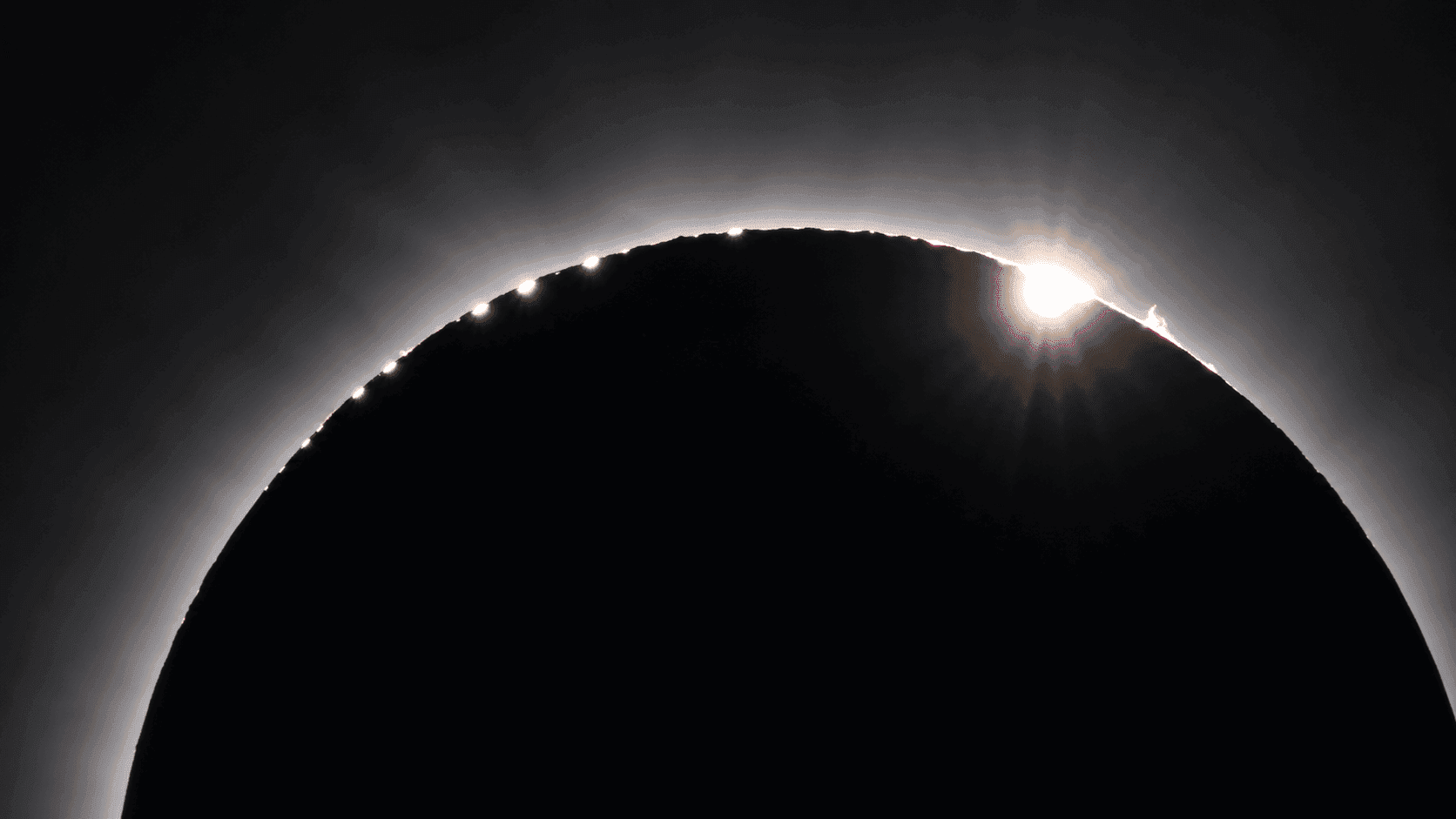
Baily's Beads und der Diamantring-Effekt
Bailys Perlen und der Diamantringeffekt entstehen, wenn Sonnenlicht durch Mondtäler am Rande der Totalität fällt. Erfahren Sie, worauf Sie achten müssen.
3 min read
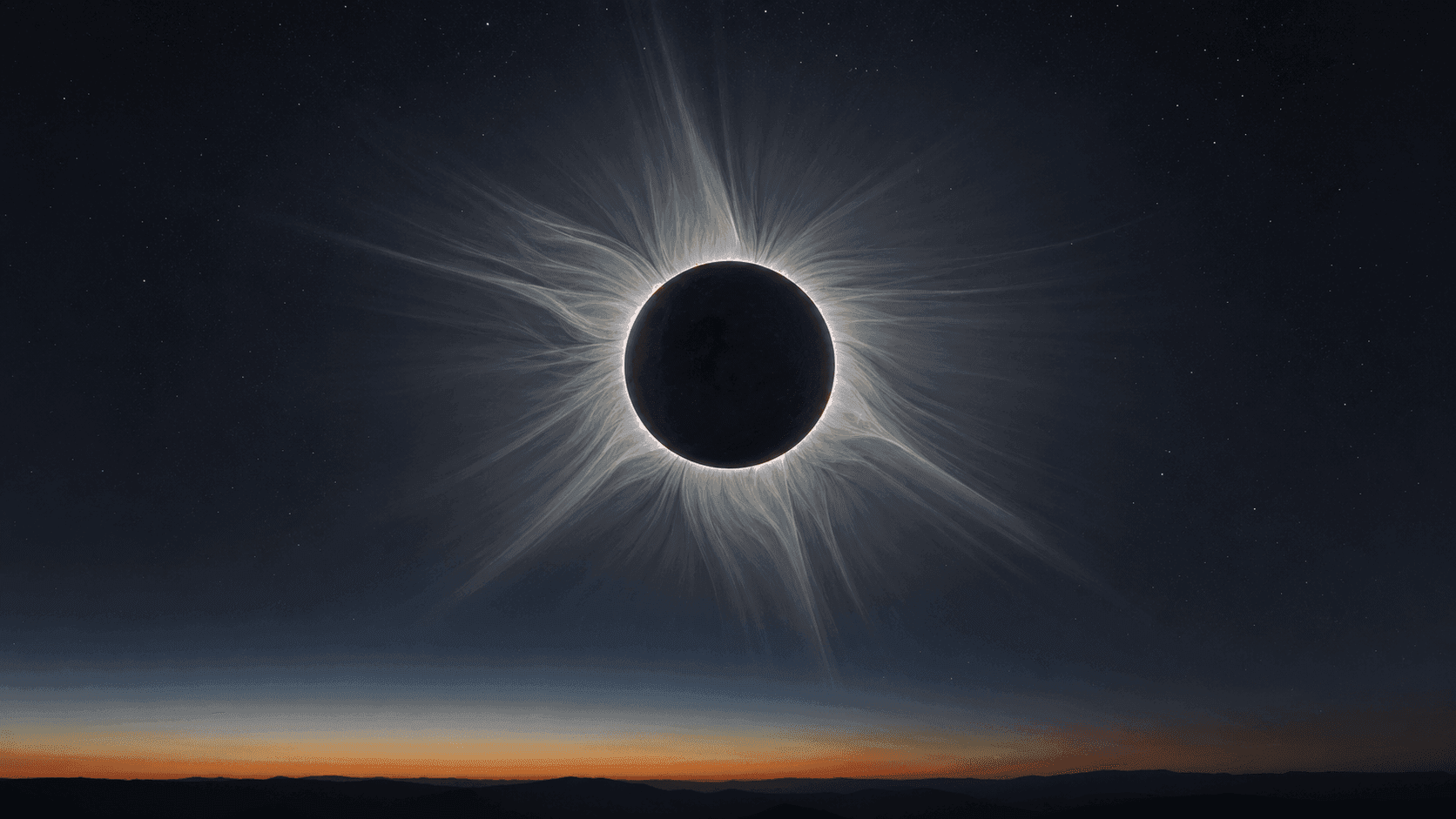
Die Sonnenkorona: Die verborgene Krone der Sonne
Die Sonnenkorona ist die schwache äußere Atmosphäre der Sonne, die während der Totalität sichtbar ist. Erfahren Sie, warum Finsternisse es offenbaren und warum es wissenschaftlich rätselhaft ist.
3 min read
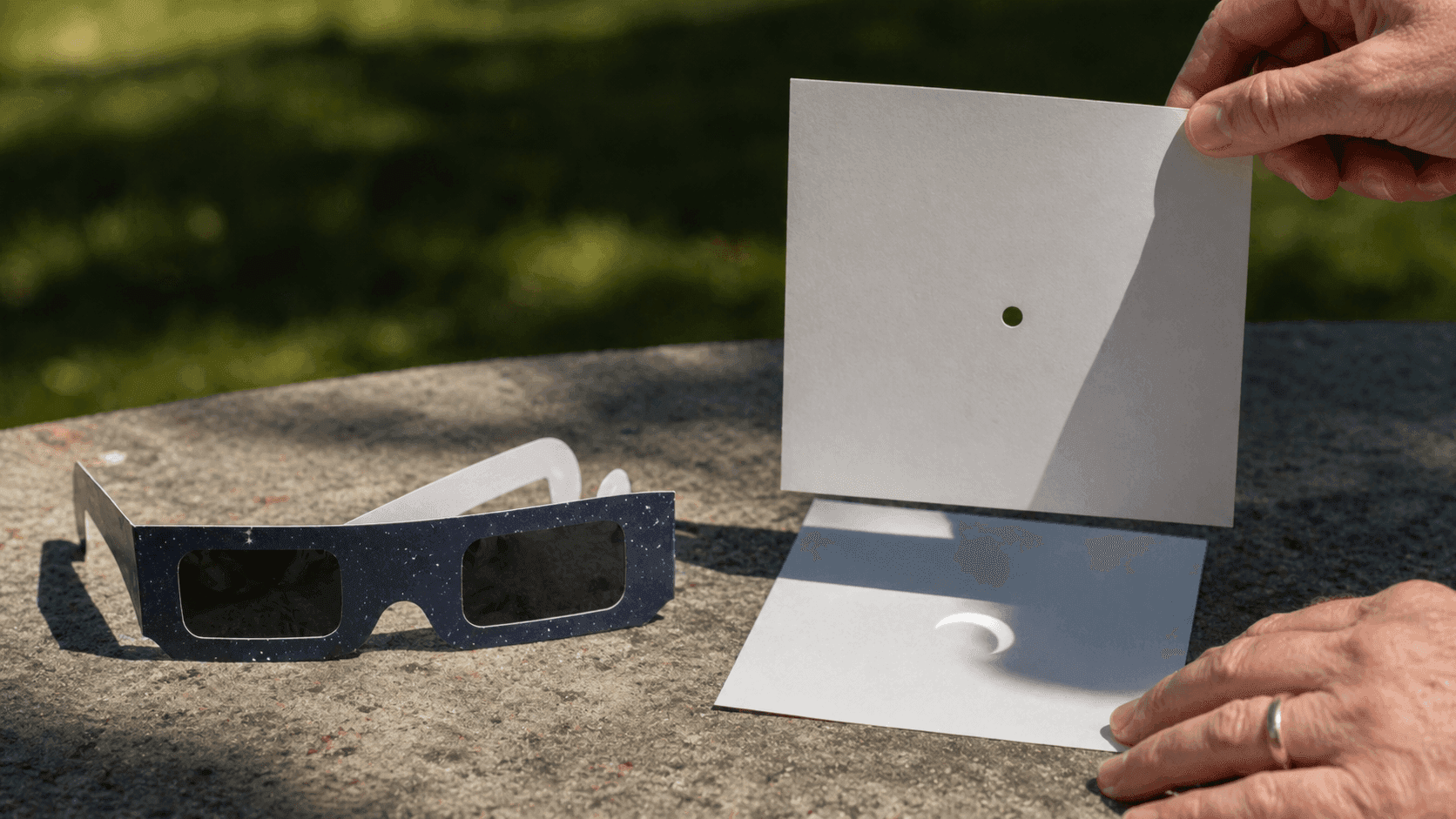
So beobachten Sie eine Sonnenfinsternis sicher
Lernen Sie die wesentlichen Sicherheitsregeln bei Sonnenfinsternissen kennen: Sonnenfinsternisbrillen nach ISO 12312-2, sichere indirekte Sicht, Kamerafilter und wann die Totalität sicher ist.