
 Engin Kurutepe
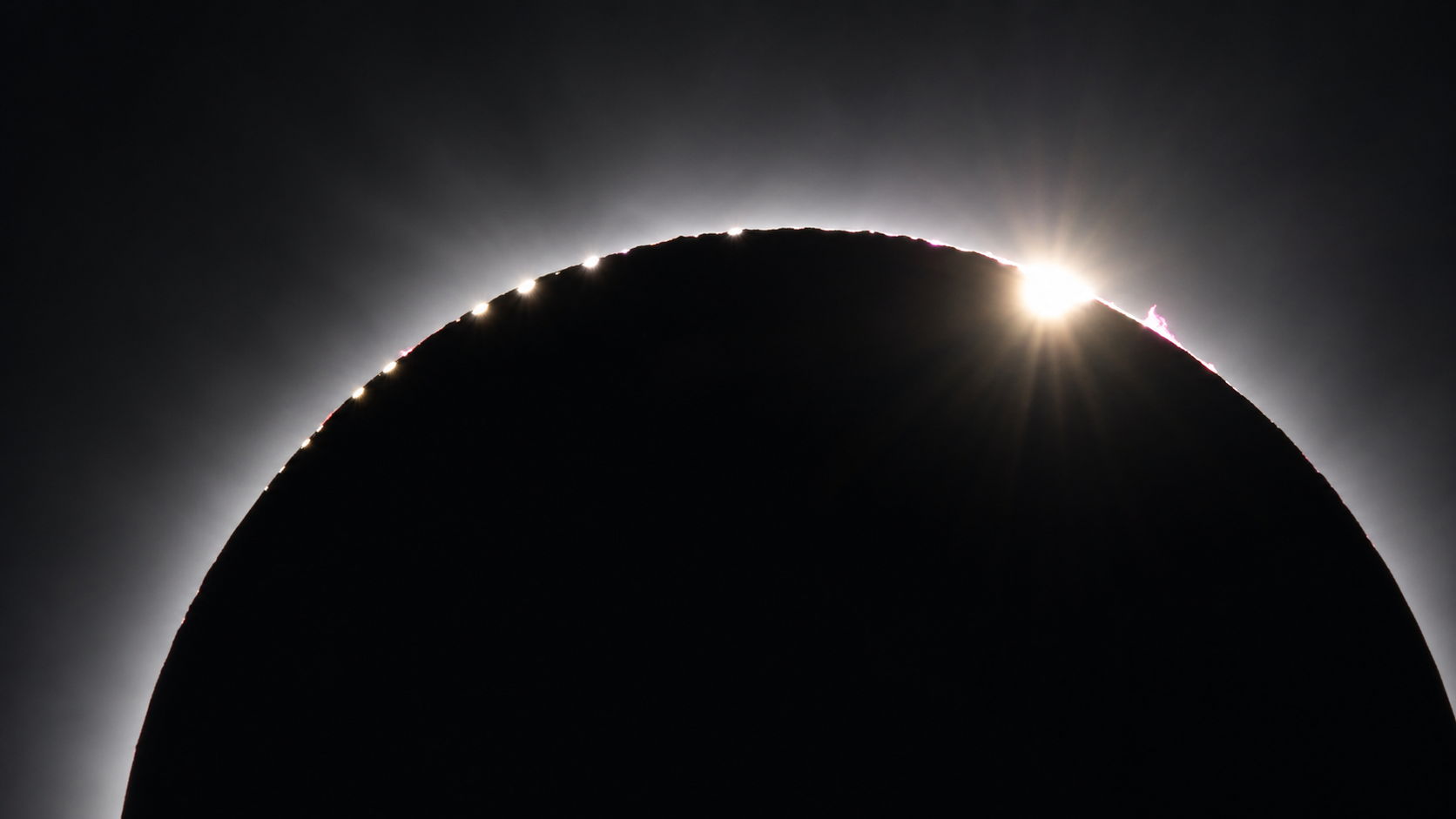
Baily's beads are bright points of sunlight that appear around the edge of the Moon just before and just after totality. They happen because the Moon's edge is not smooth.
The Moon has mountains, valleys, crater rims, and uneven terrain. As the Moon almost completely covers the Sun, sunlight still slips through some of the low valleys along the lunar limb. From Earth, those tiny openings look like beads of light.
Why the beads appear
Imagine lowering a jagged mountain skyline in front of a bright lamp. The high peaks block the lamp first, while the valleys let narrow bits of light through for a moment longer. Baily's beads are the same idea at lunar scale.
The effect is named after Francis Baily, who described it during an annular eclipse in 1836. Today, detailed maps of the lunar surface help eclipse predictions model the timing of beads and contacts with great precision.
The diamond ring effect
The diamond ring effect is closely related. It happens when only one brilliant bead of sunlight remains visible next to the faint glow of the corona. The scene resembles a shining diamond on a ring.
The diamond ring is often visible just before second contact, as totality begins, and again just after third contact, as totality ends.
Contact times matter
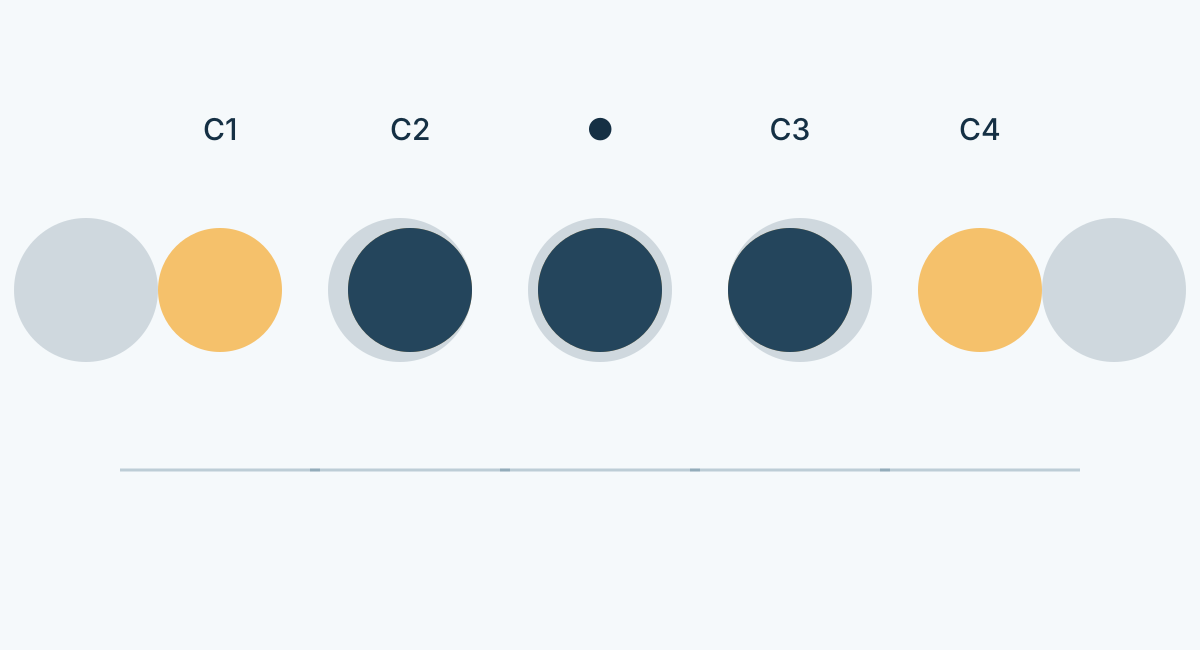
Baily's beads and the diamond ring happen near second and third contact:
- C1: the partial eclipse begins
- C2: totality begins
- C3: totality ends
- C4: the partial eclipse ends
Near C2, the last sunlight breaks into beads and then disappears. Near C3, beads return as the Sun starts to emerge. These moments can be brief, especially near the edge of the path of totality.
Why beads vary by location
Two observers in different places can see different bead patterns during the same eclipse. That is because each location lines up with a slightly different part of the Moon's edge.
Your position on Earth changes which lunar valleys line up with the final slivers of sunlight. This is one reason local eclipse circumstances are more than a convenience. The eclipse really is local.
Why they are useful to science
Baily's beads are not only pretty. Because their timing depends on the Moon's terrain and the observer's location, they have been used to refine eclipse contact observations and study the solar limb. Modern spacecraft have mapped the Moon in great detail, but the basic idea remains elegant: tiny points of sunlight reveal the rough edge of another world.
How to observe them
Baily's beads and the diamond ring contain direct sunlight and require solar eye protection. Remove protection only once full totality is established, and restore it before any bright sunlight returns. Annular eclipses have no safe unprotected viewing interval; do not use an app countdown as your sole safety check.
Photographers must be especially careful because camera filters and exposure settings change at totality. A solar filter is required while the bright Sun is visible. During totality, the filter can come off for the corona, then must go back on before direct sunlight returns.
If this is your first total eclipse, decide in advance whether you want to photograph the beads or simply watch them. They happen quickly. A calm plan beats a last-second scramble.
Sources and related guides
- NASA's Baily's beads resource shows the effect during the 2017 total eclipse.
- NASA describes how Lunar Reconnaissance Orbiter terrain data improves eclipse maps and bead timing.
- Related SolarWatch guides: eclipse contact times, the solar corona, shadow bands, and solar eclipse safety.
See it in SolarWatch
SolarWatch shows C1, C2, C3, and C4 for the selected location. Use the local detail timeline to know when Baily's beads and the diamond ring are likely to happen, and to plan eye protection around the beginning and end of totality.
Keep reading
All guides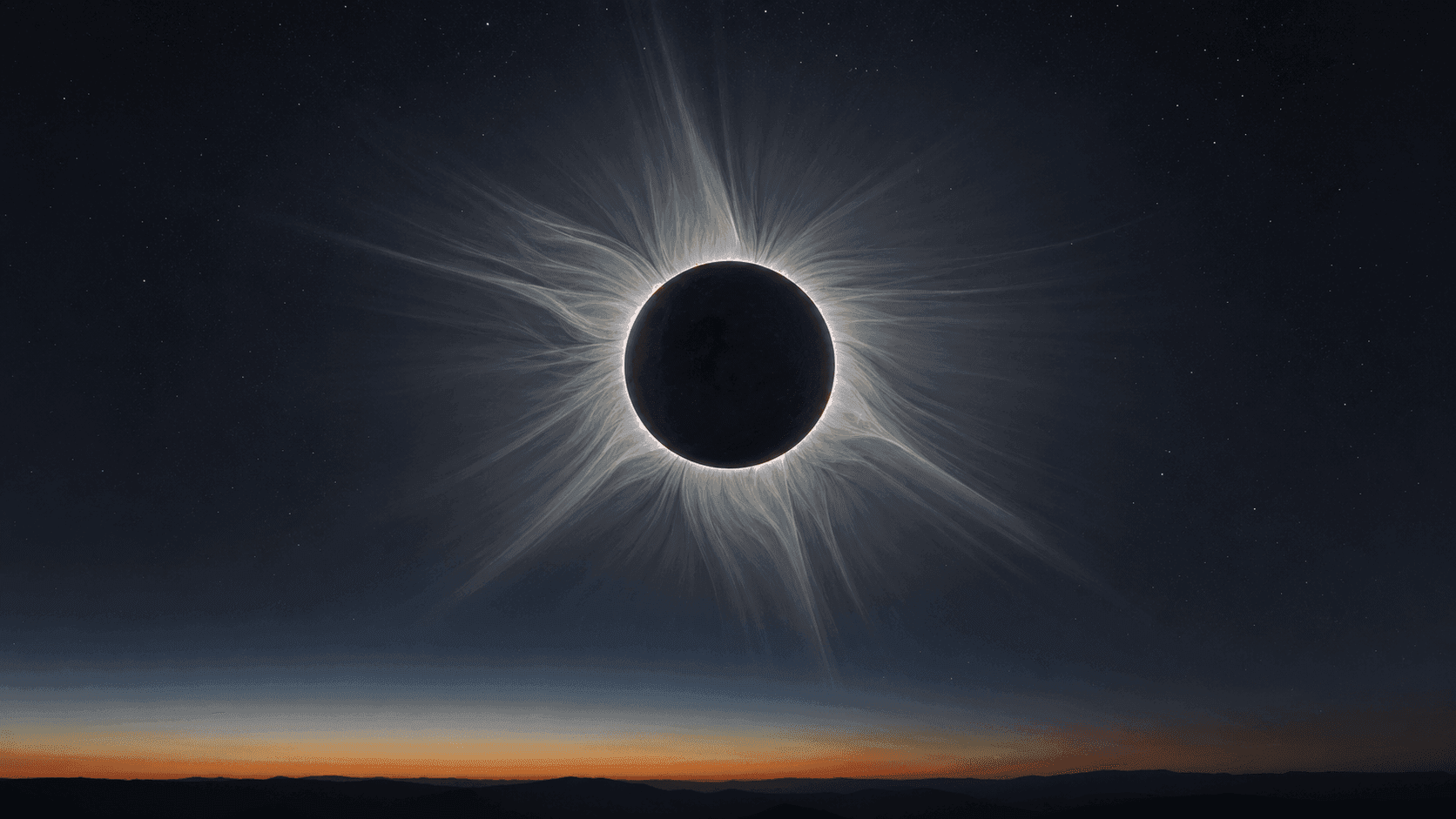
3 min read
The Solar Corona: The Sun's Hidden Crown
The solar corona is the Sun's faint outer atmosphere, visible during totality. Learn why eclipses reveal it and why it is scientifically mysterious.
4 min read
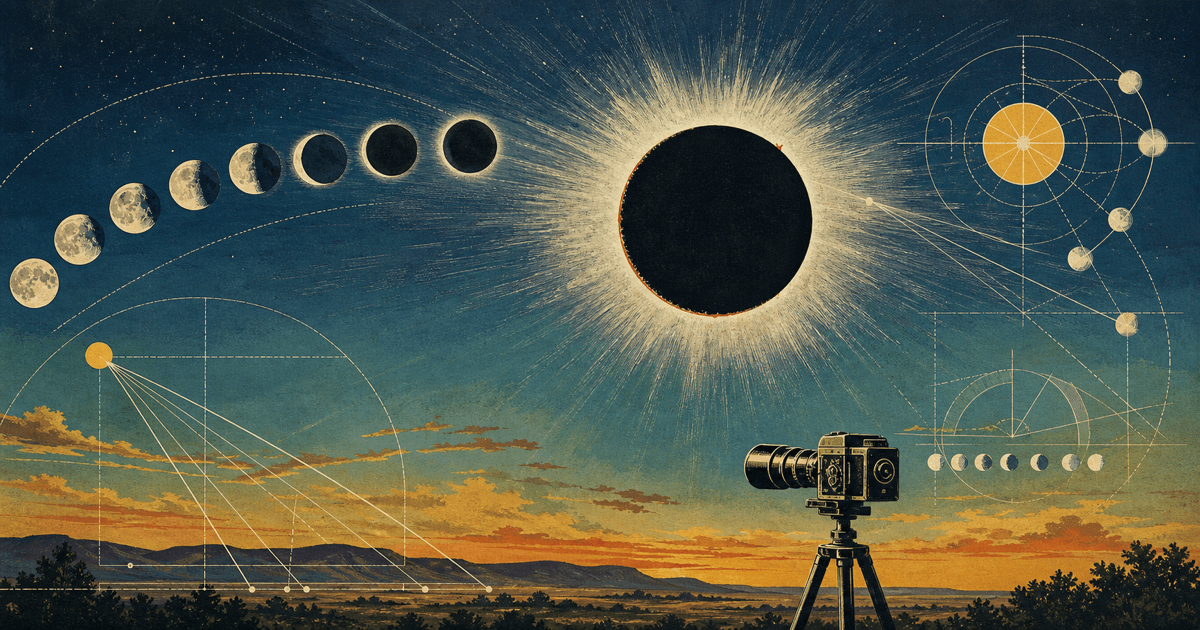
Shadow Bands: The Ripples Before Totality
Shadow bands are faint, wavy lines that can ripple across the ground just before and after totality. Learn what causes them and how to look for them.
3 min read
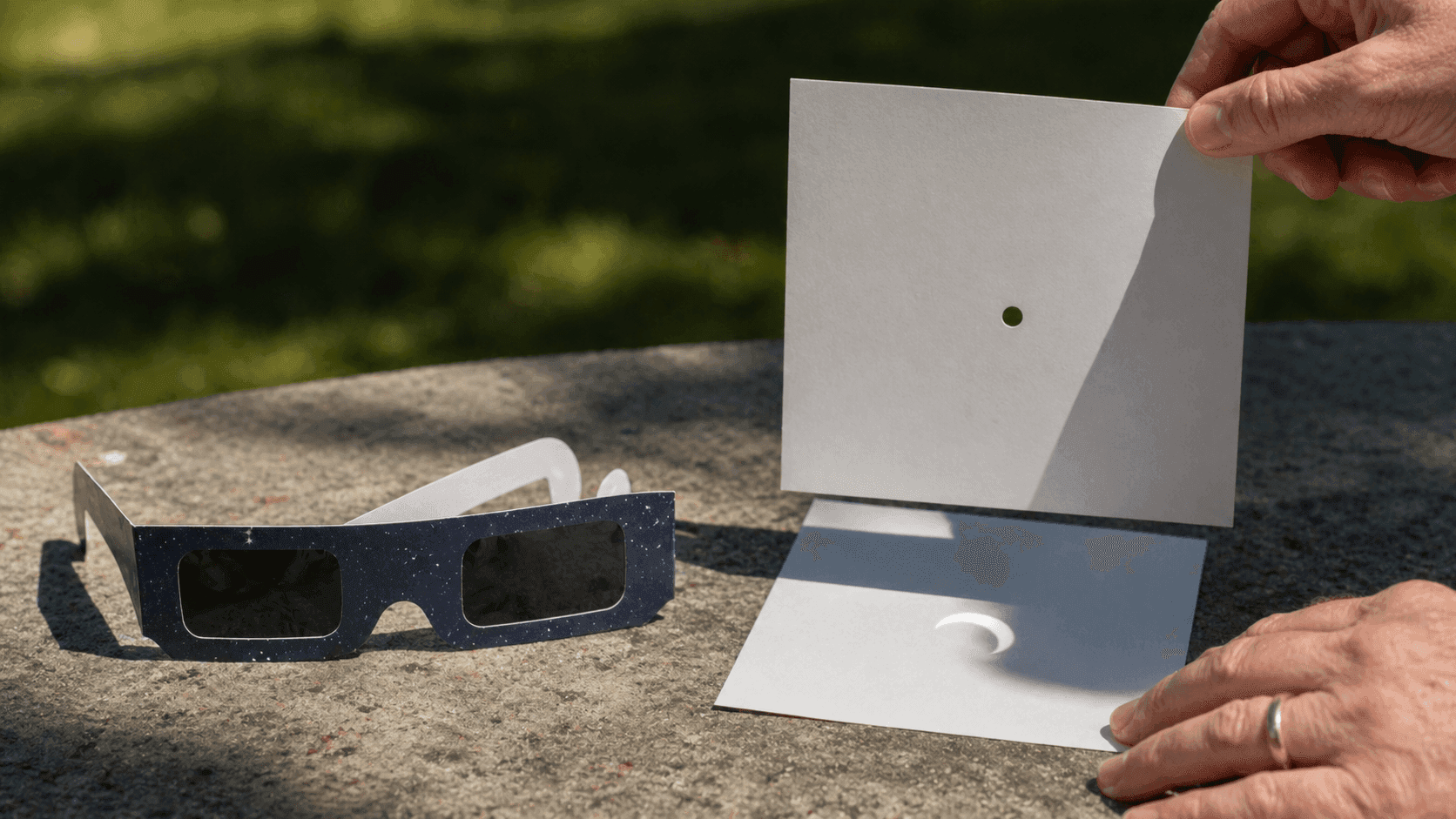
How to Safely Watch a Solar Eclipse
Learn the essential solar eclipse safety rules: ISO 12312-2 eclipse glasses, safe indirect viewing, camera filters, and when totality is safe.
3 min read
C1, C2, C3, C4: The Four Contact Points of an Eclipse
Learn what eclipse contact times mean, why C1 through C4 are local, and how they guide safety, photography, and totality planning.