
How the Syllabus Works
The sequence starts with all-ages foundations, then moves into the experience of totality, celestial mechanics, cultural history, August 2026 planning, and advanced science. Each article answers a durable reader question and shows where the same concept appears in SolarWatch.
Module 1
Eclipse 101
Foundations for all-ages search topics and first-time eclipse planning.
The foundation module explains what a solar eclipse is, why eclipses are not monthly events, how the main eclipse types differ, what the path of totality means, and how to watch safely.
- 1.1
What Is a Solar Eclipse?
A plain-language guide to solar eclipses: how the Moon covers the Sun, why totality is rare, and what you can see from the path of totality.
Read - 1.2
The Four Types of Solar Eclipse
Total, annular, partial, and hybrid solar eclipses explained in plain language, with the shadow geometry behind each type.
Read - 1.3
Why Doesn't a Solar Eclipse Happen Every Month?
Solar eclipses need a new Moon plus a node crossing. Learn why the Moon's tilted orbit makes eclipses seasonal instead of monthly.
Read - 1.4
The Path of Totality Explained
What the path of totality is, why it is a narrow ribbon, how fast it moves, and why local planning matters.
Read - 1.5
How to Safely Watch a Solar Eclipse
Learn the essential solar eclipse safety rules: ISO 12312-2 eclipse glasses, safe indirect viewing, camera filters, and when totality is safe.
Read
Module 2
Totality: The Show
High-engagement phenomena that map directly to SolarWatch eclipse visualizations.
This module covers the physical and environmental effects people notice around totality, from the corona and diamond ring to animal behavior and the four contact points.
- 2.1
The Solar Corona: The Sun's Hidden Crown
The solar corona is the Sun's faint outer atmosphere, visible during totality. Learn why eclipses reveal it and why it is scientifically mysterious.
Read - 2.2
Baily's Beads and the Diamond Ring Effect
Baily's beads and the diamond ring effect happen when sunlight passes through lunar valleys at the edge of totality. Learn what to watch for.
Read - 2.3
Shadow Bands: The Ripples Before Totality
Shadow bands are faint, wavy lines that can ripple across the ground just before and after totality. Learn what causes them and how to look for them.
Read - 2.4
How Animals React During a Total Solar Eclipse
Birds quiet down, insects may start evening calls, temperatures drop, and stars appear. Learn how animals and nature can react during totality.
Read - 2.5
C1, C2, C3, C4: The Four Contact Points of an Eclipse
Learn what eclipse contact times mean, why C1 through C4 are local, and how they guide safety, photography, and totality planning.
Read
Module 3
Celestial Mechanics
Depth content for science-curious readers, teachers, and eclipse planners.
The mechanics module explains why eclipses repeat, why the Moon sometimes covers the Sun completely, and how professional eclipse predictions turn orbital geometry into local circumstances.
- 3.1
The Saros Cycle: How Eclipses Repeat Every 18 Years
The Saros cycle is the roughly 18-year rhythm that links related eclipses. Learn why eclipses repeat and why each one still lands somewhere new.
Read - 3.2
Why the Moon Looks the Same Size as the Sun
The Moon is much smaller than the Sun, but it is also much closer. Learn the cosmic coincidence that makes total solar eclipses possible.
Read - 3.3
The Moon's Elliptical Orbit and Eclipse Types
The Moon's distance from Earth changes through its elliptical orbit. Learn why perigee and apogee help decide whether an eclipse is total or annular.
Read - 3.4
Magnitude, Obscuration, and Gamma: Eclipse Numbers Explained
Eclipse magnitude, obscuration, and gamma describe different parts of solar eclipse geometry. Learn what each number means and how to read them.
Read - 3.5
How Eclipse Predictions Work
A clear guide to how solar eclipses are predicted using orbital models, Besselian elements, lunar terrain, and local circumstances.
Read
Module 4
History & Culture
Broad stories that connect eclipse science to human history, myth, and discovery.
This module turns eclipses into cultural and historical stories: ancient myths, early prediction, scientific milestones, and the rise of eclipse chasing.
- 4.1
The Eclipse That Stopped a War
The Battle of Halys eclipse is one of history's most famous eclipse stories. Learn what happened in 585 BCE and why the Thales prediction is debated.
Read - 4.2
Ancient Eclipse Myths Around the World
A tour of solar eclipse mythology, from dragons and wolves to ancient sky stories that helped people explain sudden darkness.
Read - 4.3
How Babylonians Learned to Predict Eclipses
Babylonian eclipse prediction grew from careful sky records, omen traditions, and repeating lunar cycles. Learn what they could and could not predict.
Read - 4.4
How a Solar Eclipse Proved Einstein Right
The 1919 total solar eclipse let astronomers measure starlight bent by the Sun, giving famous early evidence for Einstein's general relativity.
Read - 4.5
Helium Was Discovered During an Eclipse
During the 1868 solar eclipse, spectroscopy revealed a mysterious yellow line in the Sun's atmosphere. That line led to the discovery of helium.
Read - 4.6
Eclipse Chasers: A Brief History of Totality Tourists
Eclipse chasing has grown from scientific expeditions and Victorian travel into modern totality tourism. Learn why people travel for a few minutes of darkness.
Read
Module 5
The August 2026 Eclipse
High-intent trip planning content for the next major total eclipse visible from Western Europe.
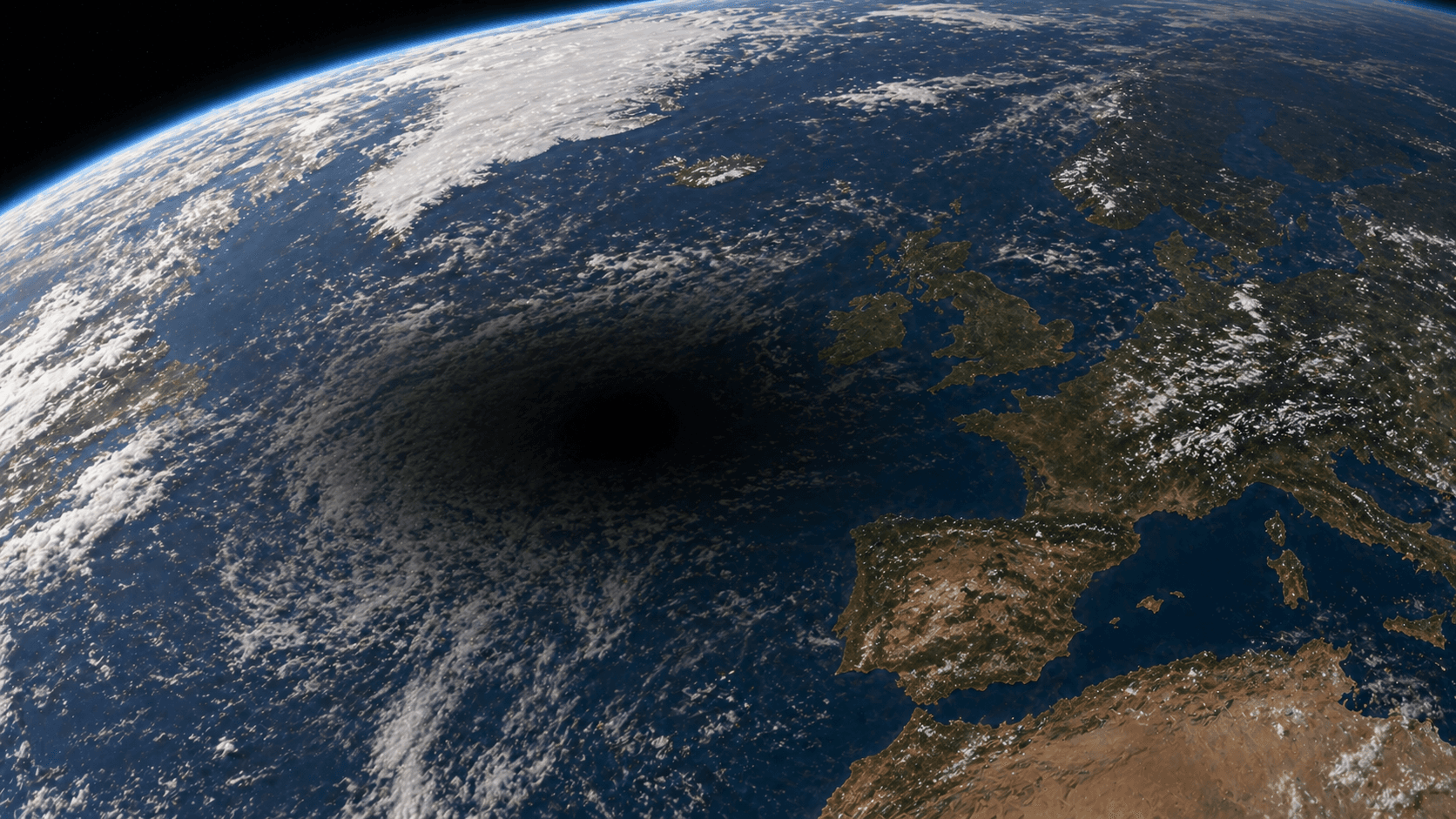
The August 2026 module connects evergreen eclipse science to the specific path, timing, safety, and travel decisions people need for the August 12, 2026 total solar eclipse.
Put These Guides into Practice
Download SolarWatch to get precise golden hour times, sun position, and moon phases for your location.