
 Engin Kurutepe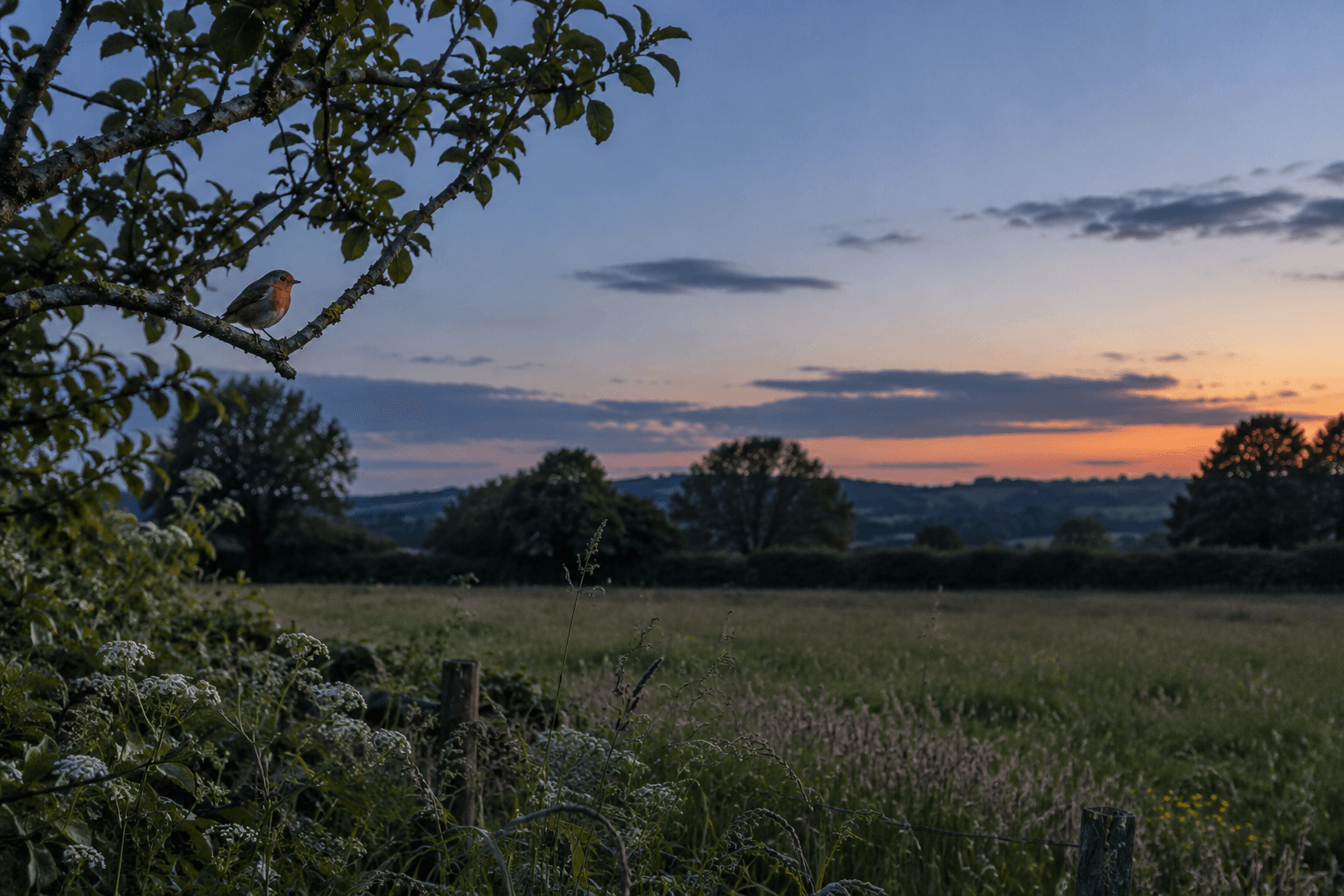
À mesure que la Lune couvre une plus grande partie du Soleil, la lumière du jour s’estompe de manière inhabituelle. L'air peut se refroidir. Les ombres s'accentuent. Les oiseaux peuvent devenir silencieux. Les insectes peuvent lancer des appels en soirée. Presque dans leur totalité, des planètes et des étoiles brillantes peuvent apparaître dans un ciel qui présente encore des couleurs de coucher de soleil à l'horizon.
Tous les endroits ne réagissent pas de la même manière et tous les animaux ne réagissent pas de façon spectaculaire. Mais les changements sont suffisamment réels pour que de nombreux observateurs d’éclipses envisagent d’observer la nature avec autant d’attention que le ciel.
Pourquoi le monde devient plus cool
Le Soleil est la principale source de chaleur diurne de la Terre. Lors d’une éclipse profonde, moins de lumière solaire atteint le sol. La surface cesse de se réchauffer aussi fortement et la température de l'air peut baisser.
La chute exacte dépend de la météo, de l’humidité, du vent, du type de sol, de la couverture nuageuse et de la quantité de soleil bloquée. Un champ herbeux, une plage et une rue de ville peuvent sembler différents au cours d’une même éclipse.
Même lorsque le changement de température est modeste, les gens remarquent souvent cette sensation car cela se produit au mauvais moment de la journée. L’après-midi se comporte soudain comme un soir.
Oiseaux et animaux diurnes
De nombreux oiseaux utilisent les niveaux de lumière dans le cadre de leur rythme quotidien. Lorsque le ciel s'assombrit rapidement, certains oiseaux peuvent se calmer, reprendre leur comportement de repos ou modifier leurs cris. Les animaux de ferme et les animaux de compagnie peuvent également sembler perplexes face à ce changement soudain.
La réponse n’est pas universelle. Certains animaux ignorent l'éclipse, surtout si l'éclipse est partielle ou si la journée est déjà nuageuse. D'autres ne réagissent fortement qu'à proximité de la totalité, lorsque la goutte de lumière devient indubitable.
Pour les enfants qui observent une éclipse, il s'agit d'une bonne activité scientifique : notez ce que font les oiseaux, les animaux domestiques ou les insectes 30 minutes avant l'éclipse maximale, pendant l'éclipse maximale et 30 minutes après.
Insectes et bruits du soir
Les grillons, cigales et autres insectes peuvent réagir à la luminosité comme si le soir était arrivé. Dans certains rapports d'éclipse, les gens décrivent un bref chœur de sons semblables à ceux du crépuscule, proches de la totalité.
C’est l’une des raisons pour lesquelles un endroit calme peut être préférable à un endroit bondé. Si tout le monde vous applaudit, vous risquez de manquer les changements subtils qui vous entourent. Une minute d’écoute devant la totalité peut être aussi mémorable qu’une photographie.
Plantes et ombres
Pendant les phases partielles, les petits espaces entre les feuilles agissent comme des sténopés et projettent des croissants solaires au sol. Ils ne focalisent pas la lumière comme une lentille. Ces croissants lumineux disparaissent pendant la totalité complète.
Les ombres peuvent aussi paraître étranges. À mesure que le Soleil visible se rétrécit en un mince croissant, les ombres deviennent plus nettes dans une direction. La lumière prend une qualité argentée difficile à décrire avant de l’avoir vue.
Le ciel pendant la totalité
À l’intérieur du chemin de la totalité, le ciel peut devenir suffisamment sombre pour que Vénus, Jupiter ou des étoiles brillantes apparaissent. L'horizon peut rester plus lumineux dans toutes les directions car les endroits situés en dehors de l'ombre de la Lune sont toujours à la lumière du jour.
Cet effet de coucher de soleil à 360 degrés est l’un des indices que vous vous trouvez dans une ombre en mouvement plutôt que de vivre une nuit ordinaire.
Faites-en une observation de terrain
Un simple journal de la nature d’une éclipse peut inclure :
- Température de l'air toutes les 10 minutes
- Changements de vent
- Sons d'oiseaux et d'insectes
- Comportement animal
- Formes d'ombre sous les arbres
- Le moment où les planètes deviennent visibles pour la première fois
Ces observations fonctionnent mieux lorsque vous connaissez la chronologie locale de l’éclipse. Marquez à l'avance les heures du premier contact, de l'éclipse maximale et de la totalité afin que vos notes relient le comportement à l'événement céleste.
Sources et guides associés
- Le projet de science citoyenne Eclipse Soundscapes de la NASA étudie la façon dont les paysages sonores et les systèmes vivants changent pendant les éclipses.
- La NASA décrit également comment les volontaires peuvent observer la faune pendant les éclipses.
- Guides SolarWatch associés : temps de contact de l'éclipse, bandes d'ombre, sécurité de l'éclipse solaire et la couronne solaire.
Voir dans SolarWatch
SolarWatch donne les heures de contact locales et l'heure maximale de l'éclipse pour votre point d'observation. Utilisez ces moments pour planifier un simple journal de la nature, définir un rappel avant la totalité et comparer les villes préférées si vous choisissez où regarder.
Keep reading
All guides
3 min read
Qu'est-ce qu'une éclipse solaire ?
Un guide en langage simple sur les éclipses solaires : comment la Lune recouvre le Soleil, pourquoi la totalité est rare et ce que vous pouvez voir depuis le chemin de la totalité.
4 min read
Shadow Bands : les ondulations avant la totalité
Les bandes d’ombre sont de faibles lignes ondulées qui peuvent onduler sur le sol juste avant et après la totalité. Découvrez leurs causes et comment les rechercher.
4 min read
Comment observer une éclipse solaire en toute sécurité
Apprenez les règles essentielles de sécurité en cas d'éclipse solaire : lunettes d'éclipse ISO 12312-2, vision indirecte sécurisée, filtres de caméra et quand la totalité est sûre.
4 min read
La couronne solaire : la couronne cachée du Soleil
La couronne solaire est la faible atmosphère extérieure du Soleil, visible dans sa totalité. Découvrez pourquoi les éclipses le révèlent et pourquoi il est scientifiquement mystérieux.