
 Engin Kurutepe
On Saturday, February 6, 2027, an annular solar eclipse will cross parts of southern South America and West Africa. Inside the narrow path, the Moon will leave a bright ring of sunlight around its edge. Outside that path, locations inside the broader shadow will see a partial eclipse.
Where to see the ring of fire
The path crosses parts of Chile, Argentina, Uruguay, and Brazil before reaching Côte d’Ivoire, Ghana, Togo, Benin, and Nigeria. Check your exact location. Punta del Este is in the annular path, while Montevideo sees a partial eclipse. In West Africa the Sun will be low near the end of the path, so an open western horizon matters.
At greatest eclipse, around 16:00 UTC over the South Atlantic, the ring lasts about 7 minutes 51 seconds. That is the duration at greatest eclipse. Cities along the path have their own peak times and durations. NASA’s eclipse path and predictions
| Example location | Max eclipse, local time | Annularity |
|---|---|---|
| Puerto Castro, Chile | 11:52 CLST (UTC−3) | 4 min 25 sec |
| Punta del Este, Uruguay | 12:38 UYT (UTC−3) | 5 min 29 sec |
| Accra, Ghana | 17:52 GMT (UTC+0) | 5 min 31 sec |
These city examples come from timeanddate. Peak times are rounded to the minute. For the beginning and end of the ring, use the contact times at your exact observing spot.
Plan your viewing spot
In SolarWatch, open the February 6 event in the eclipse catalog. Place the pin where you plan to stand, then compare the start and end of annularity, peak time, and Sun altitude. Use the local sky preview to see where to look, and check the real horizon for buildings, trees, and terrain. If you’re choosing between coastal sites in West Africa, compare the Sun’s altitude and leave time to reach a backup spot.
Keep proper solar eye protection on during every phase. The ring is direct sunlight. For direct viewing, use undamaged eclipse viewers compliant with ISO 12312-2 from a reputable supplier. For an indirect option, use a pinhole projector. Read the SolarWatch viewing safety guide and NASA’s eye-safety guidance.
The year’s other solar eclipse is the August 2, 2027 total solar eclipse. Find both events and the science behind them in the Solar Eclipse Learning Center.
Keep reading
All guides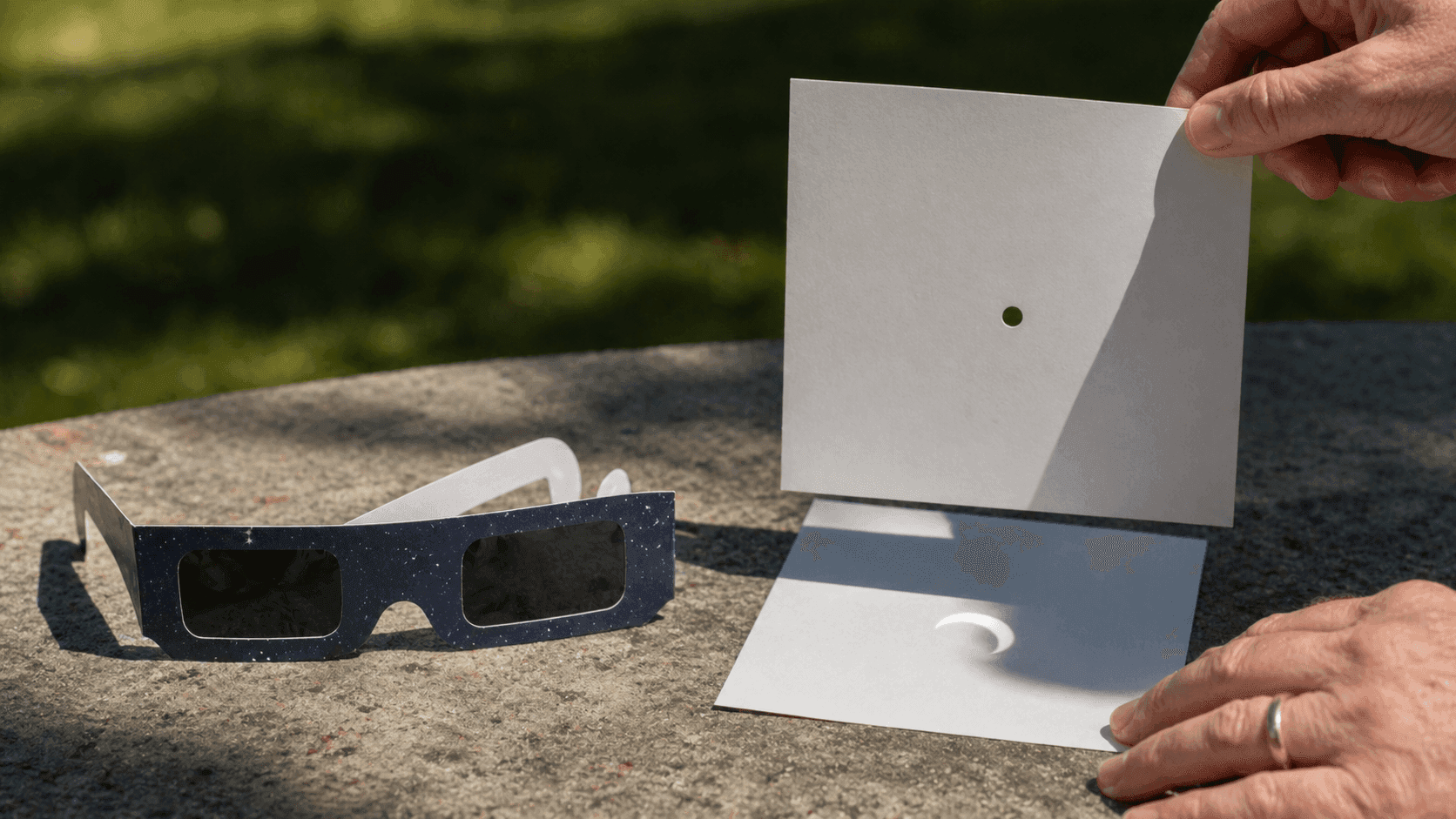
3 min read
How to Safely Watch a Solar Eclipse
Learn the essential solar eclipse safety rules: ISO 12312-2 eclipse glasses, safe indirect viewing, camera filters, and when totality is safe.
3 min read
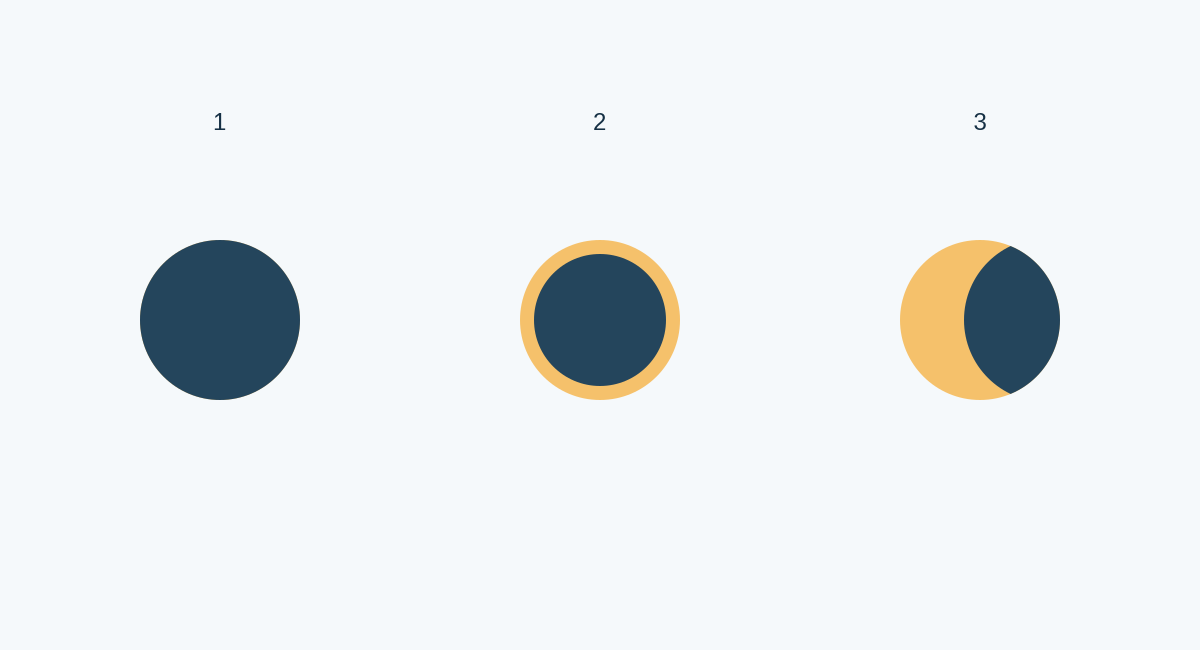
The Four Types of Solar Eclipse
Total, annular, partial, and hybrid solar eclipses explained in plain language, with the shadow geometry behind each type.
3 min read
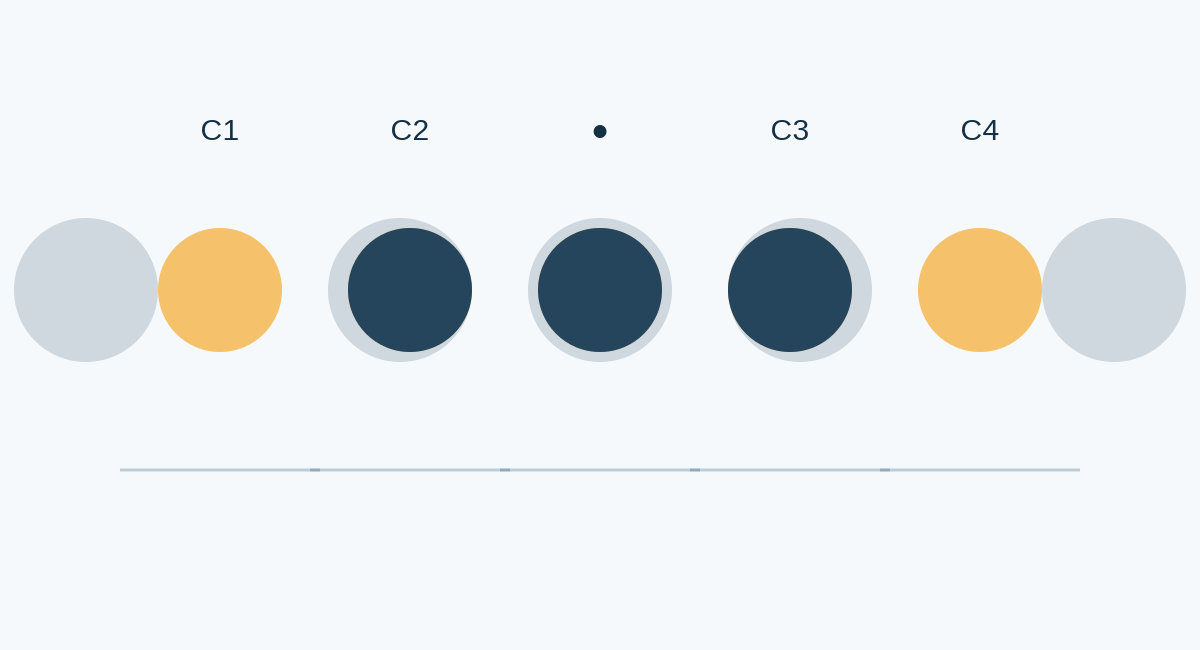
C1, C2, C3, C4: The Four Contact Points of an Eclipse
Learn what eclipse contact times mean, why C1 through C4 are local, and how they guide safety, photography, and totality planning.
2 min read
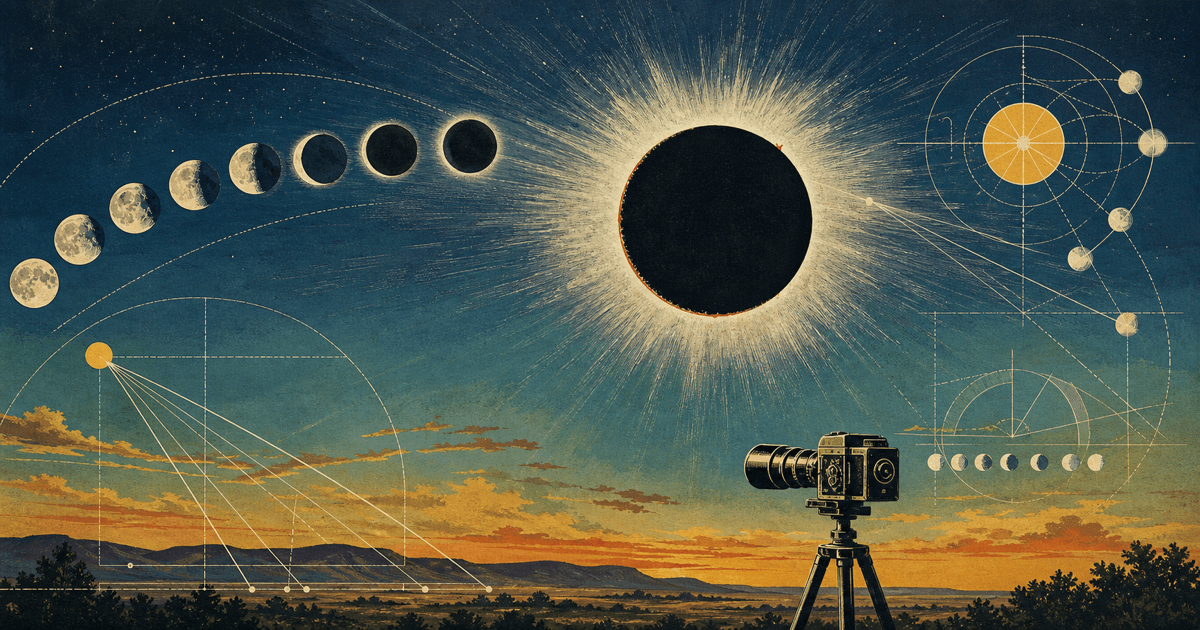
August 2, 2027 Total Solar Eclipse: Path and Local Times
Plan for the August 2027 total solar eclipse in southern Spain, North Africa, and beyond. Compare local times in Cádiz and Luxor.