
 Engin Kurutepe
On Monday, August 2, 2027, a total solar eclipse will cross southern Spain, North Africa, and parts of the Middle East. Totality will last about 6 minutes 23 seconds at greatest eclipse in Egypt, around 10:07 UTC. The duration and local time vary along the path. NASA’s eclipse path and predictions
Where to see totality
The Moon’s shadow passes through the Strait of Gibraltar and across parts of southern Spain, Morocco, Algeria, Tunisia, Libya, and Egypt, then continues across the Red Sea into parts of the Arabian Peninsula and the Horn of Africa. Check the exact site before booking travel. Cádiz is inside the path. Madrid and Cairo see a partial eclipse. NASA’s visibility overview
| Example location | Partial begins | Max eclipse | Partial ends | Totality |
|---|---|---|---|---|
| Cádiz, Spain · CEST (UTC+2) | 09:40 | 10:46 | 11:59 | 2 min 56 sec |
| Luxor, Egypt · EEST (UTC+3) | 11:40 | 13:05 | 14:26 | 6 min 22 sec |
These city examples come from timeanddate. Clock times are local and rounded to the minute. Maximum eclipse is the moment of greatest coverage at that location. Use your exact location to look up C2 and C3, the contacts that mark the start and end of totality.
Compare viewing sites in SolarWatch
Open the August 2 event in the eclipse catalog and drop a pin at each candidate site. Check whether it lies inside the path, compare C2 and C3, and use the local sky preview to see where the Sun will be. Compare historical cloud conditions when choosing a region, then recheck the actual forecast and local access closer to the event.
Cádiz and Luxor illustrate the tradeoff. The eclipse is a morning event in southern Spain and a midday event in Upper Egypt. Compare travel, heat, shade, and access as well as totality duration. The Spanish National Geographic Institute’s guide has local visibility details for Spain.
Watch safely
Wear proper eclipse glasses throughout every partial phase. Unaided viewing is safe only during full totality from inside the path. Put protection back on before bright sunlight returns. If you’re outside the path or unsure of the phase, keep it on. Follow the SolarWatch viewing safety guide and NASA’s safety guidance.
See the February 2027 annular eclipse guide and the August 2026 recap, or browse the Solar Eclipse Learning Center.
Keep reading
All guides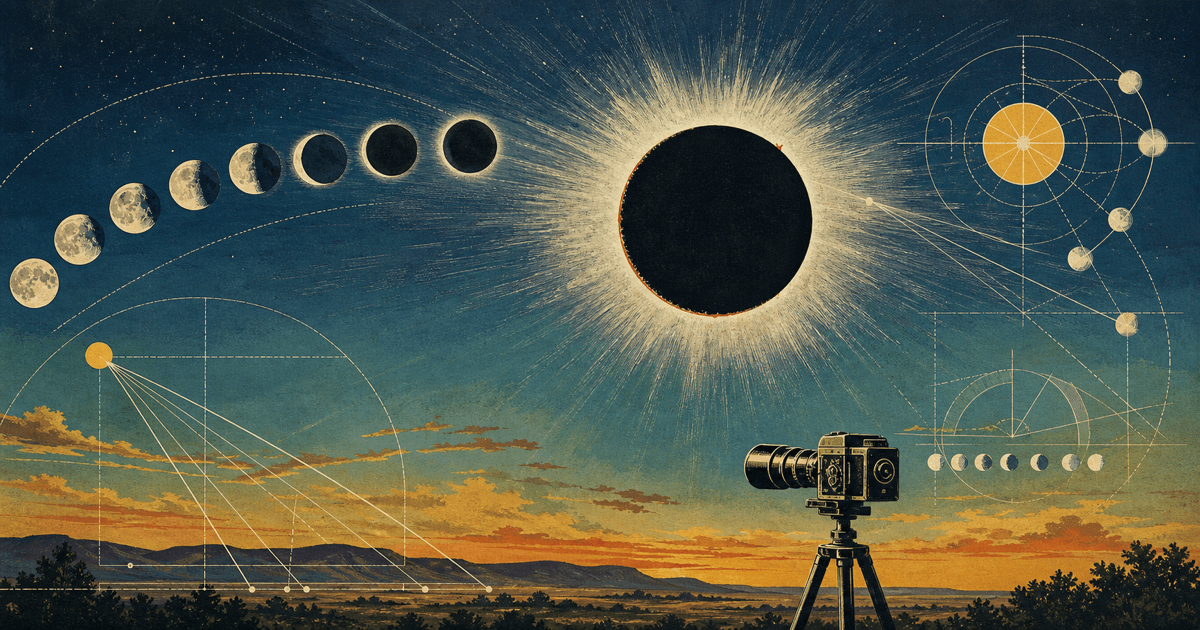
4 min read
The Path of Totality Explained
What the path of totality is, why it is a narrow ribbon, how fast it moves, and why local planning matters.
3 min read
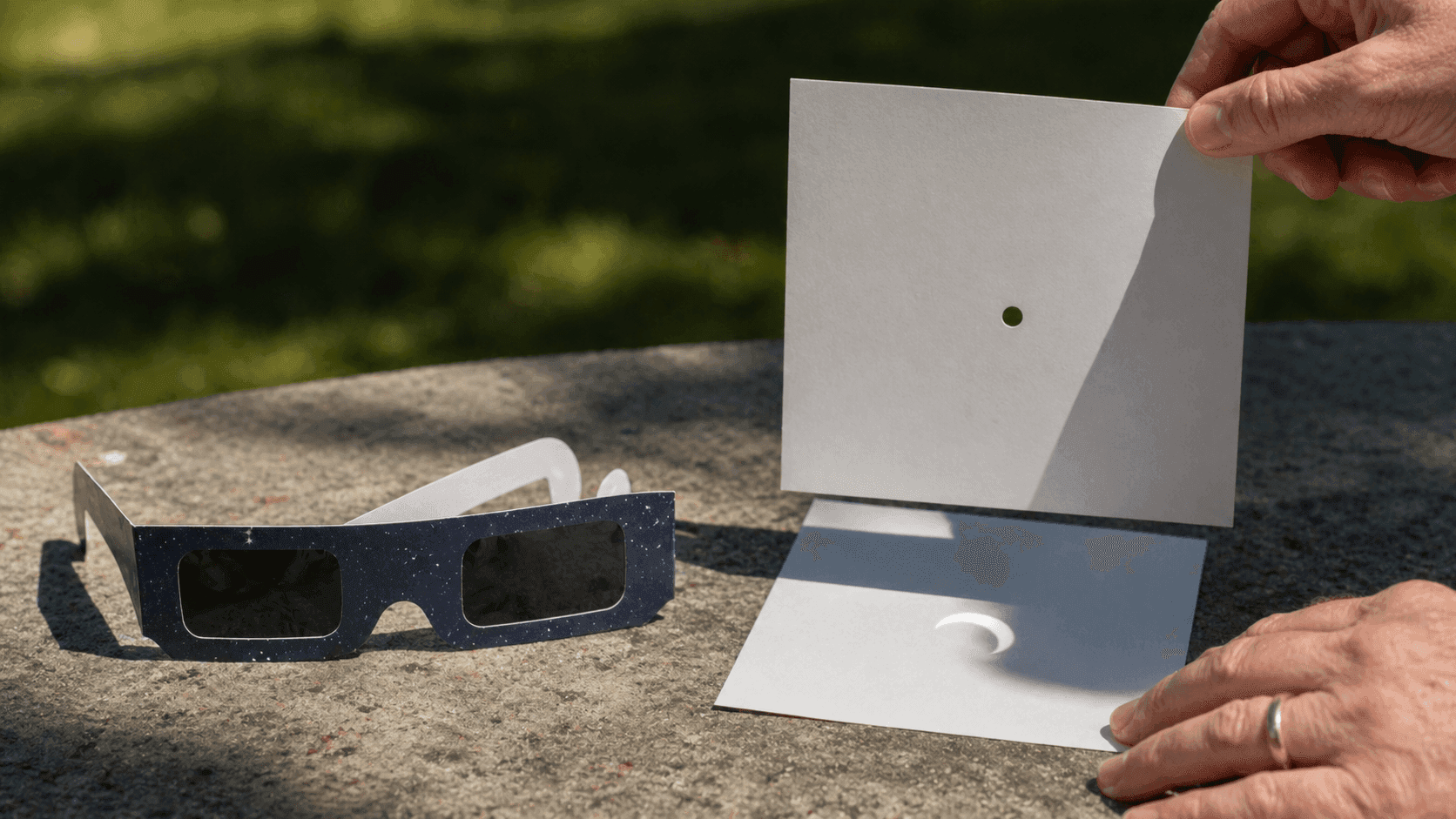
How to Safely Watch a Solar Eclipse
Learn the essential solar eclipse safety rules: ISO 12312-2 eclipse glasses, safe indirect viewing, camera filters, and when totality is safe.
3 min read
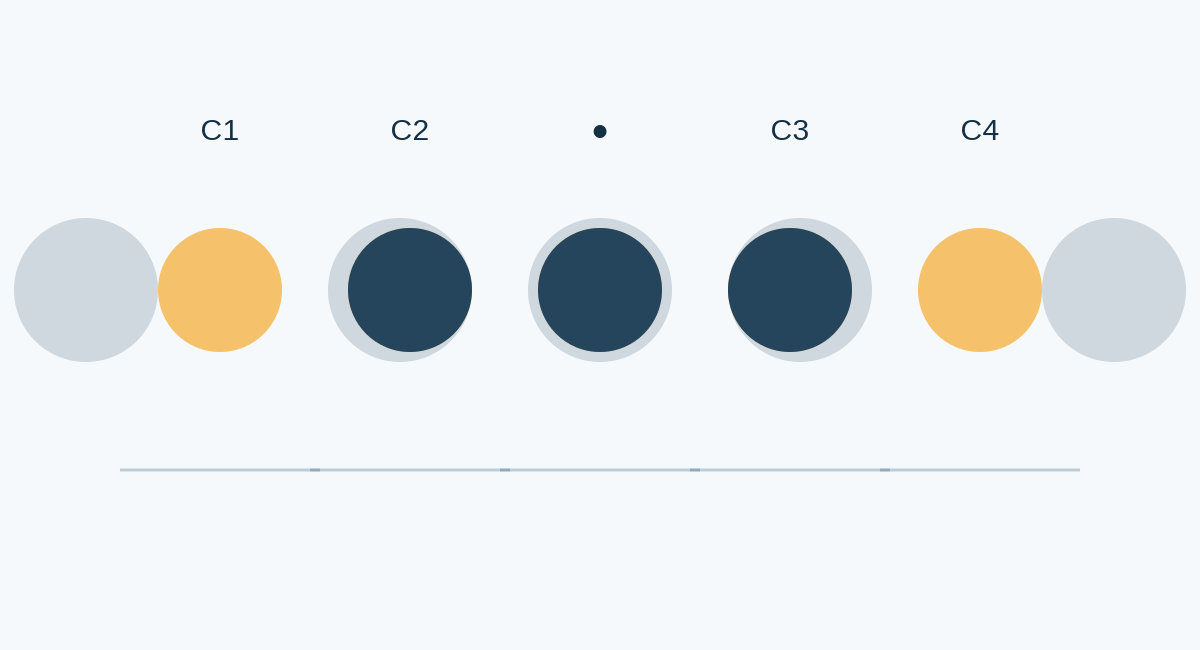
C1, C2, C3, C4: The Four Contact Points of an Eclipse
Learn what eclipse contact times mean, why C1 through C4 are local, and how they guide safety, photography, and totality planning.
2 min read
February 6, 2027 Annular Solar Eclipse: Path and Local Times
See where the February 2027 ring of fire is visible across South America and West Africa, with local timings and safe viewing advice.
3 min read
The August 12, 2026 Total Solar Eclipse: Everything You Need to Know
The August 12, 2026 eclipse crossed the Arctic, Greenland, Iceland, the North Atlantic and Spain. It illustrates why local circumstances matter: nearby places experienced different contact times, duration and Sun altitude.