
 Engin Kurutepe
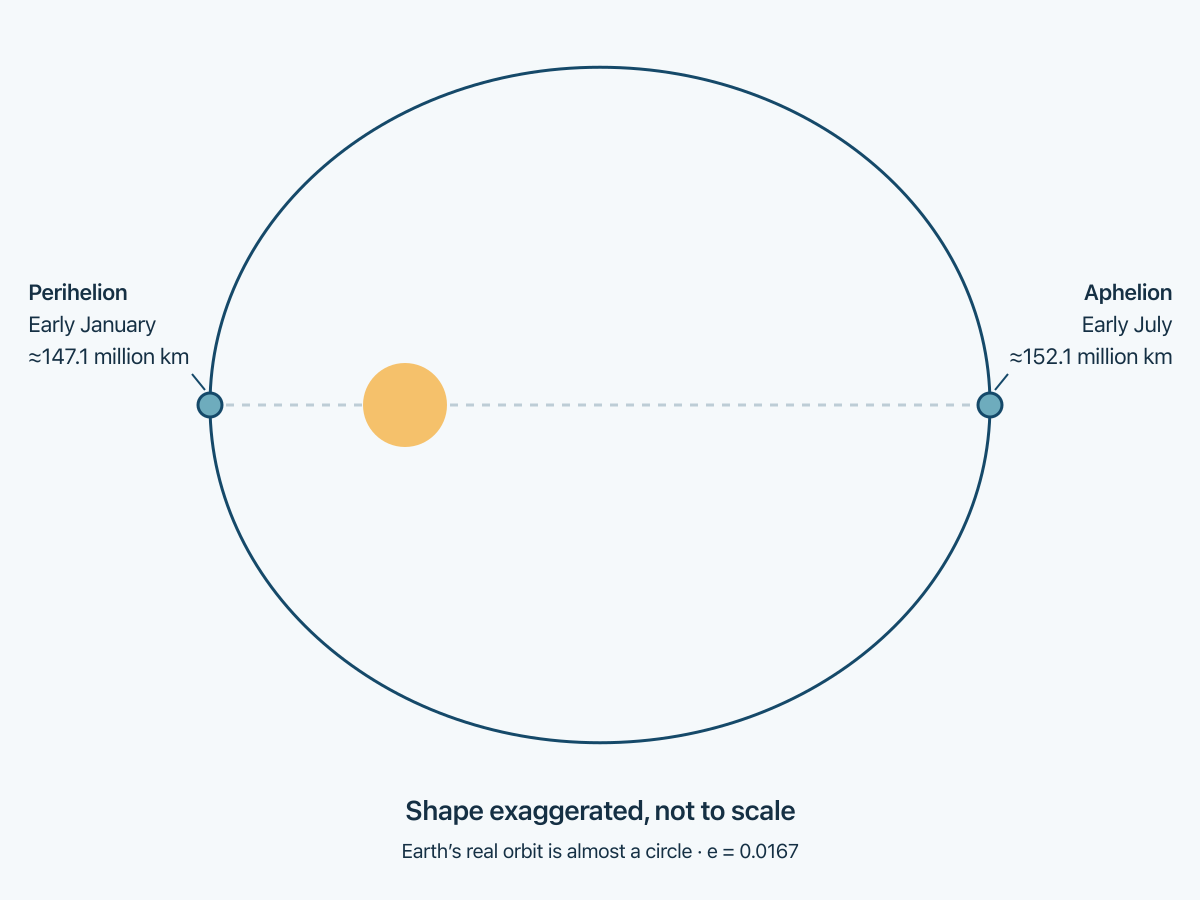
Perihelion is the point in Earth's orbit where we are closest to the Sun. Aphelion is the point where we are farthest away. Earth reaches perihelion in early January, about 147.1 million kilometers from the Sun, and aphelion in early July, about 152.1 million kilometers away.
The difference is about 5 million kilometers, or a little over 3%. That sounds like a lot, but it is small enough that you will not notice it by looking up. It is also not what causes summer and winter.
Where the names come from
Both words come from Greek. *Helios* means Sun. *Peri* means near, and *apo* means away from. So perihelion is "near the Sun" and aphelion is "away from the Sun."
The same pattern shows up elsewhere in astronomy. The Moon's closest and farthest points from Earth are called perigee and apogee, from *ge*, Earth.
Why the distance changes
Earth does not orbit the Sun in a perfect circle. Its path is an ellipse, and the Sun sits slightly off its center. Astronomers describe how stretched an orbit is with a number called eccentricity. For Earth it is about 0.017. A perfect circle would be 0.
That is very close to a circle. If you drew Earth's orbit to scale on a sheet of paper, nobody could tell it was an ellipse. Diagrams like the one at the top of this page exaggerate the shape so you can see where perihelion and aphelion are.
Earth also changes speed along the way. It moves fastest at perihelion, about 30.3 kilometers per second, and slowest at aphelion, about 29.3 kilometers per second.
Dates for the next few years
The dates move around by a day or two from year to year. Part of the reason is the Moon: Earth and the Moon orbit their shared center of mass, so Earth itself wobbles slightly along its path. Leap years shift the calendar date too.
| Year | Perihelion (UTC) | Aphelion (UTC) |
|---|---|---|
| 2027 | 3 January, 02:33 | 5 July, 05:06 |
| 2028 | 5 January, 12:28 | 3 July, 22:18 |
| 2029 | 2 January, 18:13 | 6 July, 05:12 |
| 2030 | 3 January, 10:12 | 4 July, 12:57 |
Times are from the US Naval Observatory and given in Coordinated Universal Time (UTC). Your local date can differ. The 2027 perihelion, for example, falls on the evening of 2 January in North America.
Over long periods the dates drift later. Perihelion moves about one day later in the calendar every 58 years or so. Around the year 1250 it fell close to the December solstice. Today it comes about two weeks after it.
How much difference does it make?
At perihelion, sunlight reaching the top of the atmosphere is about 7% stronger than at aphelion. On average, about 1,361 watts of sunlight fall on each square meter facing the Sun. In early January that rises to roughly 1,407 watts, and in early July it drops to roughly 1,317.
The Sun also looks a little bigger. At perihelion its disc is about 3.4% wider than at aphelion: about 32.5 arcminutes across compared with about 31.5. That is too small to notice with your eyes, but two photos taken with the same lens six months apart show it clearly.
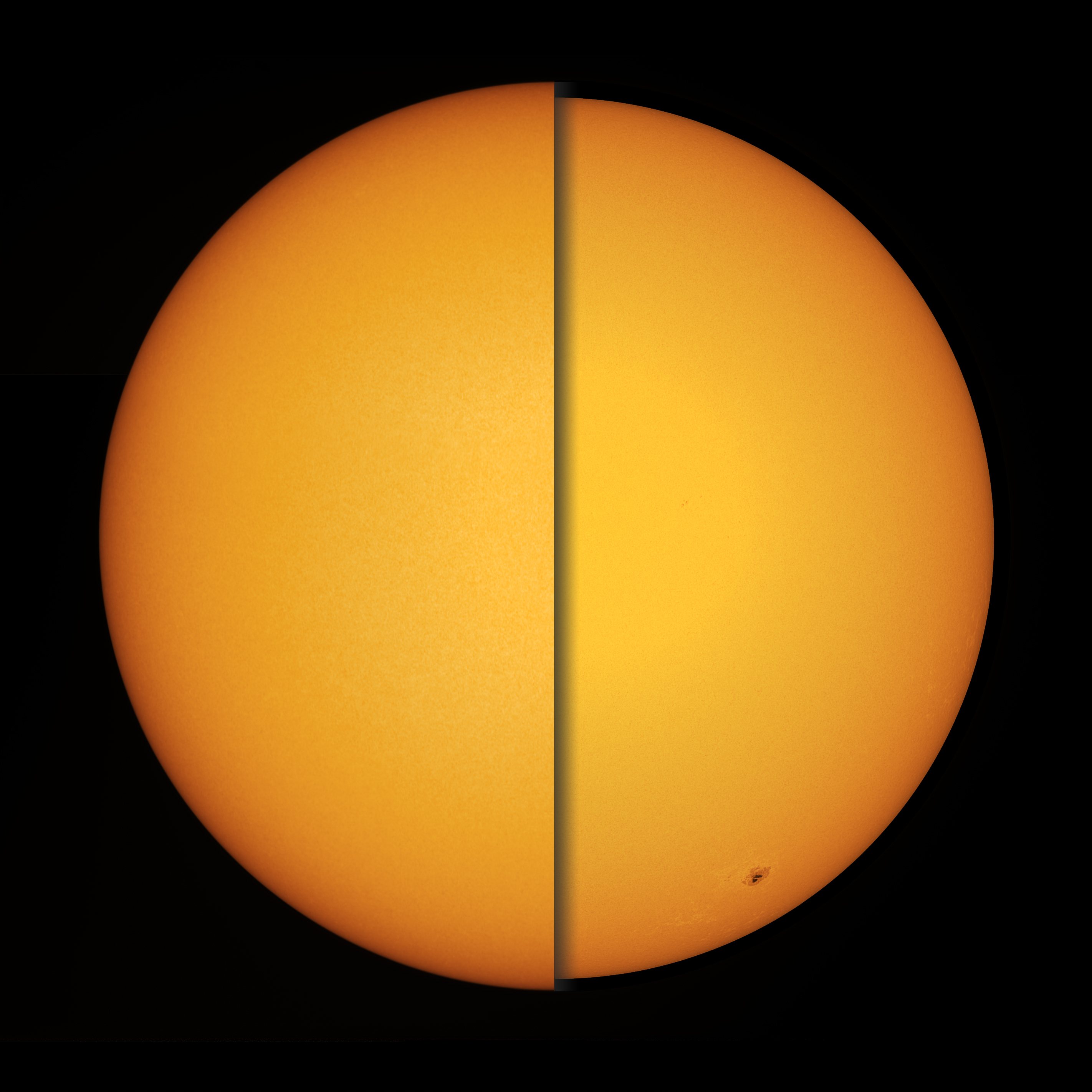
© Andrei Dumitriu (Afdumitriu) · CC BY 4.0 · 2021-01-02 / 2021-07-05

The changing size also matters during solar eclipses. A slightly smaller Sun in July is a bit easier for the Moon to cover completely. The Moon's own distance changes far more, though, so it usually decides whether an eclipse is total or annular. You can read more about that in our guide to the Moon's elliptical orbit.
Why January is not the warmest month
If you live in the Northern Hemisphere, Earth is closest to the Sun in the middle of your winter. The seasons come from the tilt of Earth's axis, about 23.4 degrees. In June the Northern Hemisphere leans toward the Sun, so the Sun climbs higher in the sky and days are longer. In December it leans away.
The tilt changes how much sunlight reaches the ground far more than the 7% swing from distance. That is why it is summer in Australia and winter in Europe at the same moment, even though both are the same distance from the Sun.
The distance still has a small effect. The Southern Hemisphere gets its summer near perihelion, when sunlight is slightly stronger. But the Southern Hemisphere is mostly ocean, and water warms and cools slowly, so its summers end up milder than northern ones. Earth as a whole is warmest in July, near aphelion, because the large land areas of the north heat up quickly in their summer.
Sources and related guides
- The US Naval Observatory publishes dates and times of Earth's perihelion and aphelion together with the equinoxes and solstices.
- NASA's Earth fact sheet lists the perihelion and aphelion distances, orbital speeds, and average solar irradiance.
- NASA Space Place explains what causes the seasons.
- Related SolarWatch guides: the Moon's elliptical orbit and eclipse types, why the Moon looks the same size as the Sun, and how much daylight you gain each day.
See it in SolarWatch
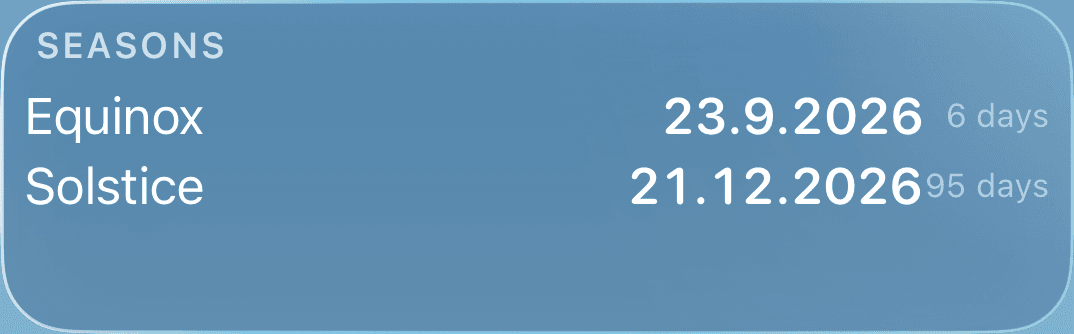
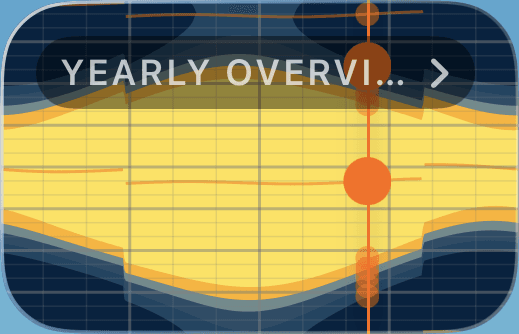
The Seasons tile shows the next equinoxes and solstices. Perihelion comes about two weeks after the December solstice listed there. The Yearly Overview shows how sunrise, sunset, and day length change through the year where you are. The rise and fall of day length comes from the tilt of Earth's axis. The distance to the Sun plays almost no part in it.
Keep reading
All guides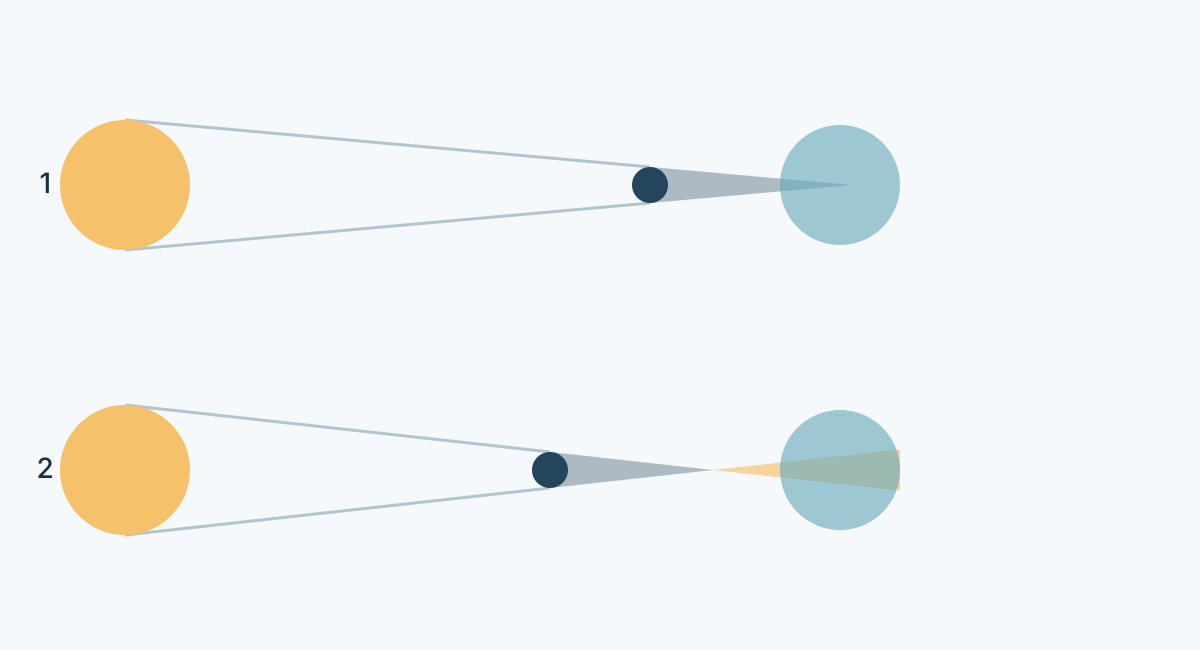
3 min read
The Moon's Elliptical Orbit and Eclipse Types
The Moon's distance from Earth changes through its elliptical orbit. Learn why perigee and apogee help decide whether an eclipse is total or annular.
3 min read
Why the Moon Looks the Same Size as the Sun
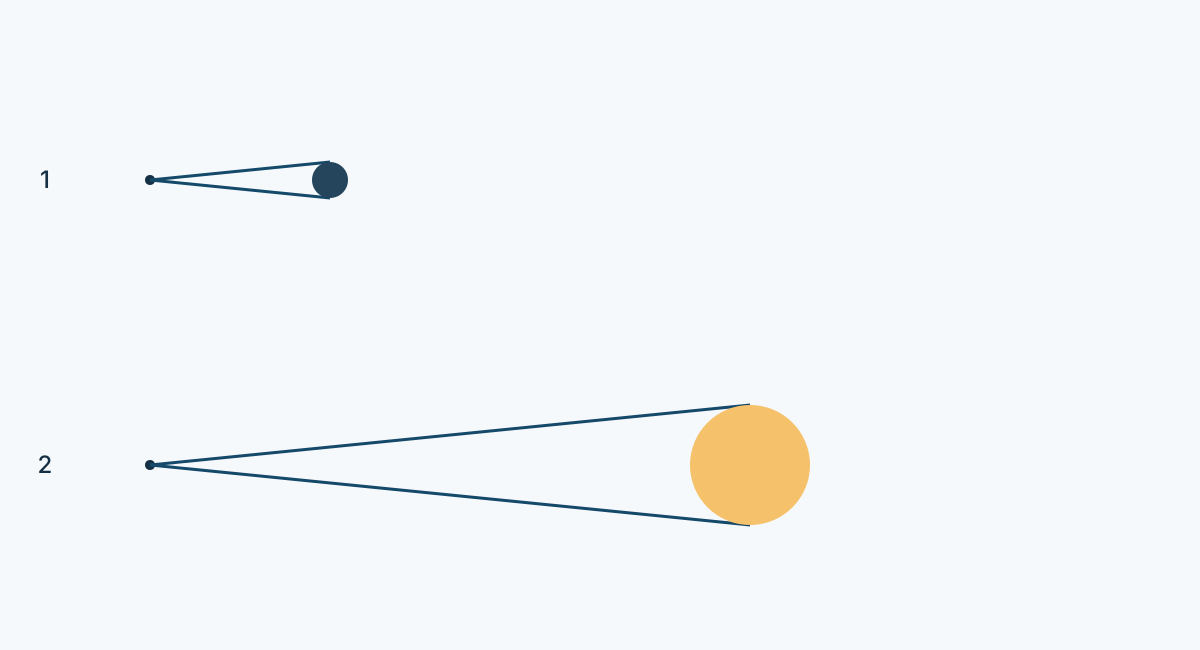
The Moon is much smaller than the Sun, but it is also much closer. Learn the cosmic coincidence that makes total solar eclipses possible.
4 min read
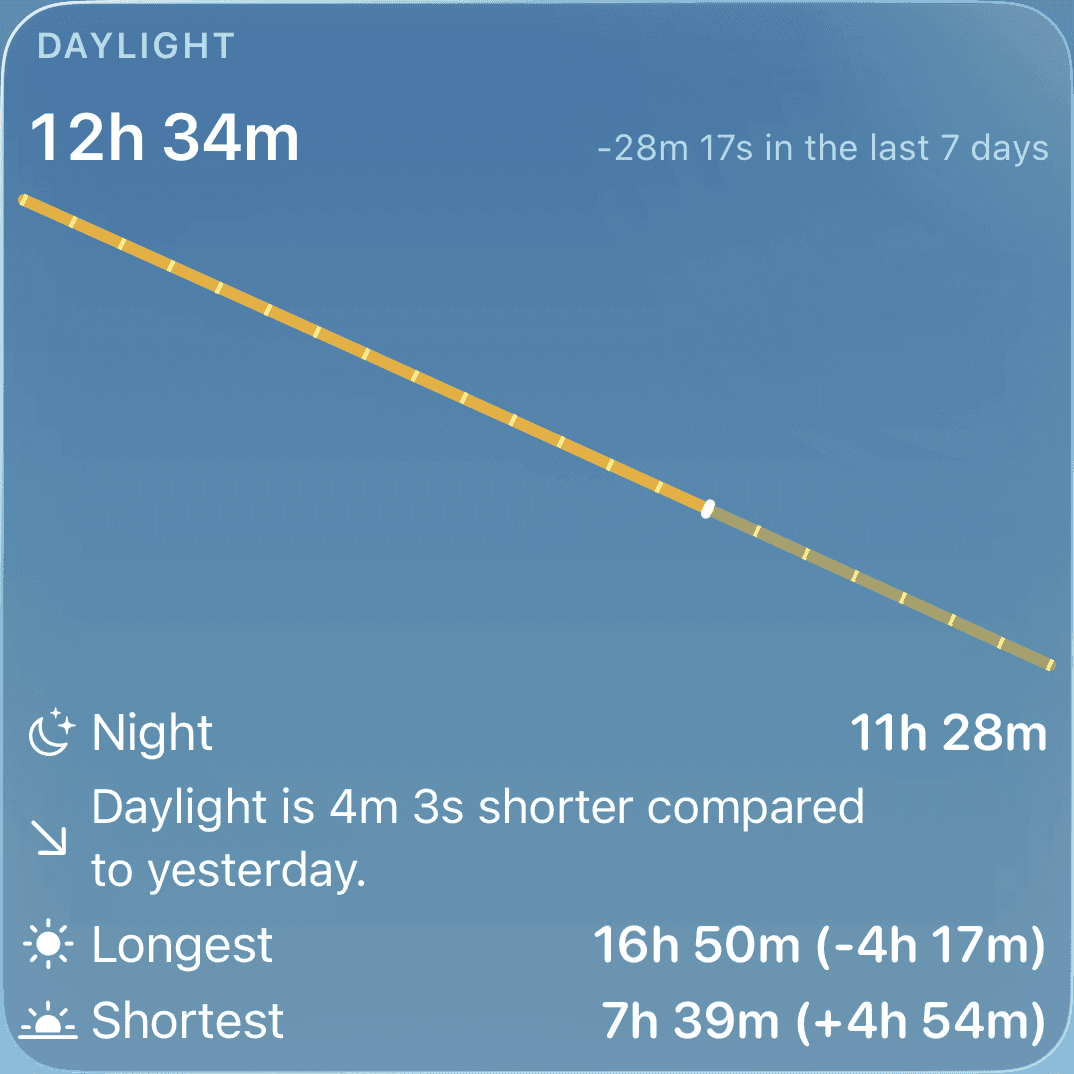
How to track how much daylight you gain or lose each day
See how many minutes of daylight you gain or lose each day, why the change is fastest at the equinoxes, and how latitude changes the numbers.
1 min read
Seasons
Seasons · SolarWatch
1 min read
Yearly Overview
Yearly Overview · SolarWatch