 Engin Kurutepe
To find out when the sun reaches a window, balcony or garden bed, you need two things: the Sun's path across the sky on the dates you care about, and whatever stands in the way, such as neighbouring buildings, trees or hills. The published sunrise time assumes an open horizon. In a valley or a street of tall houses, direct sun can arrive hours later.
Why the answer changes with the seasons
The Sun's path is very different in June and in December. At 52° N, around Berlin or Amsterdam, the midday Sun is about 61° high at the June solstice and only about 14° high at the December solstice. In summer it rises in the northeast and sets in the northwest. In winter it rises in the southeast and sets in the southwest.
A building that never shades your balcony in summer can block the low winter Sun all day. A north-facing window that gets no sun in winter may catch early-morning and late-evening light in June. Check at least the two solstices, and the equinoxes if you want the in-between seasons.
What "full sun" means for plants
Garden labels describe light in hours of direct sun. The UC Master Gardeners of Placer County, citing University of Illinois Extension, define full sun as six or more hours of direct sunlight a day, partial sun as four to six hours, partial shade as two to four, and shade as less than two. The hours don't need to be continuous: morning sun plus afternoon sun counts.
Count only the time the spot itself is in direct sunlight, not the whole day length. Afternoon sun is hotter than morning sun, so a bed with six hours of afternoon sun can be stressful for plants that prefer cooler light.
Check it on site
- Stand where it matters. For a plant bed, stand where the leaves will be. For a window, stand inside it.
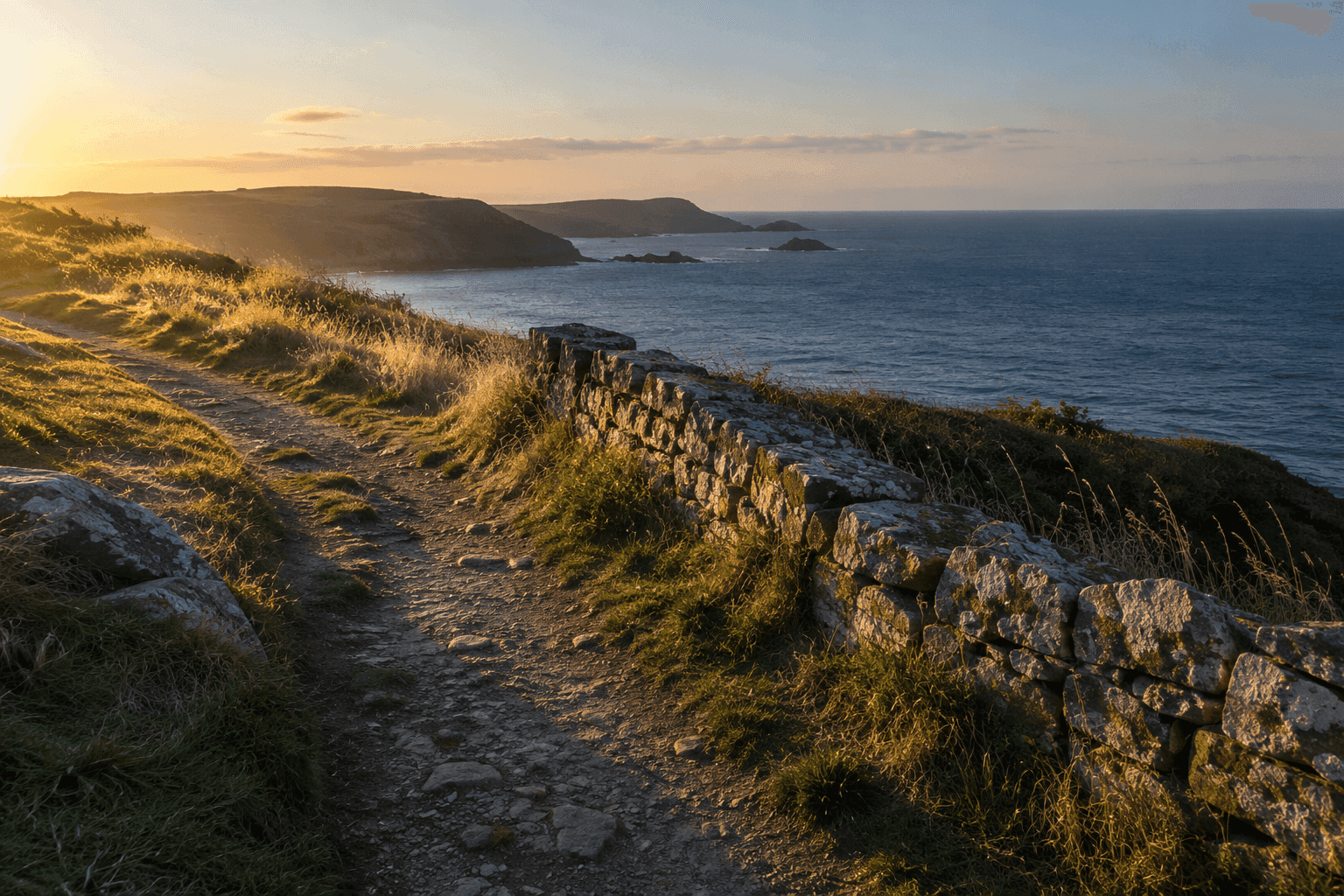
- Look along the sun's path. Note the direction of sunrise, solar noon and sunset for the season, and what's in that direction: rooftops, trees, a hill.
- Note when the sun clears each obstacle. That's when direct light starts. Do the same where it disappears behind something in the afternoon.
- Repeat for other seasons. Trees with leaves block more light in summer than bare branches in winter.
This takes a few minutes with a sun-tracking app, rather than a day of watching the shadows.
Do it with SolarWatch
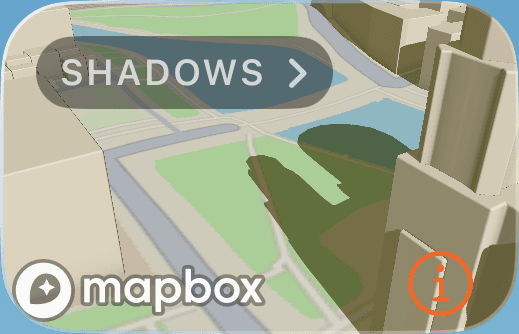
On a map. Add the Shadows tile and tap it. The map shows the sun's direction and shadows for the selected place and time, including shadows from buildings and, where terrain data is downloaded, from hills and mountains. Switch to 3D, show the sun-path compass, and move through the day to see when shadows cross your plot. Changing the map date, for example to 21 December, requires SolarWatch Gold.
In augmented reality. Open AR (Gold) on the spot and point your phone at the horizon. It draws the Sun's path for the selected date over the camera view, so you can see where it passes behind the roof opposite. Use the crosshair to find when the Sun reaches a particular point, such as the gap between two trees. With terrain data on, AR also shows the mountain horizon. Trees and nearby buildings still need checking with your own eyes.
With terrain. Turn on Terrain Data Downloads in Settings → Terrain Data. In hilly places, sunrise and sunset over the real terrain can be very different from the open-horizon times. You can choose how long downloaded data is kept.
With an alarm. If the Sun clears the roof opposite at a certain height, set an Elevation alarm (Gold) for that height so you know when the balcony gets sun. Sunrise, sunset and elevation alarms can use the terrain horizon instead of an ideal open one.
Shadows · AR and terrain · Alarm timing options · Angle a solar panel by sun elevation
If you're looking at a flat or a house to buy or rent, it's worth doing this before you sign. A south-facing balcony behind a tall building may be in shade from October to March.